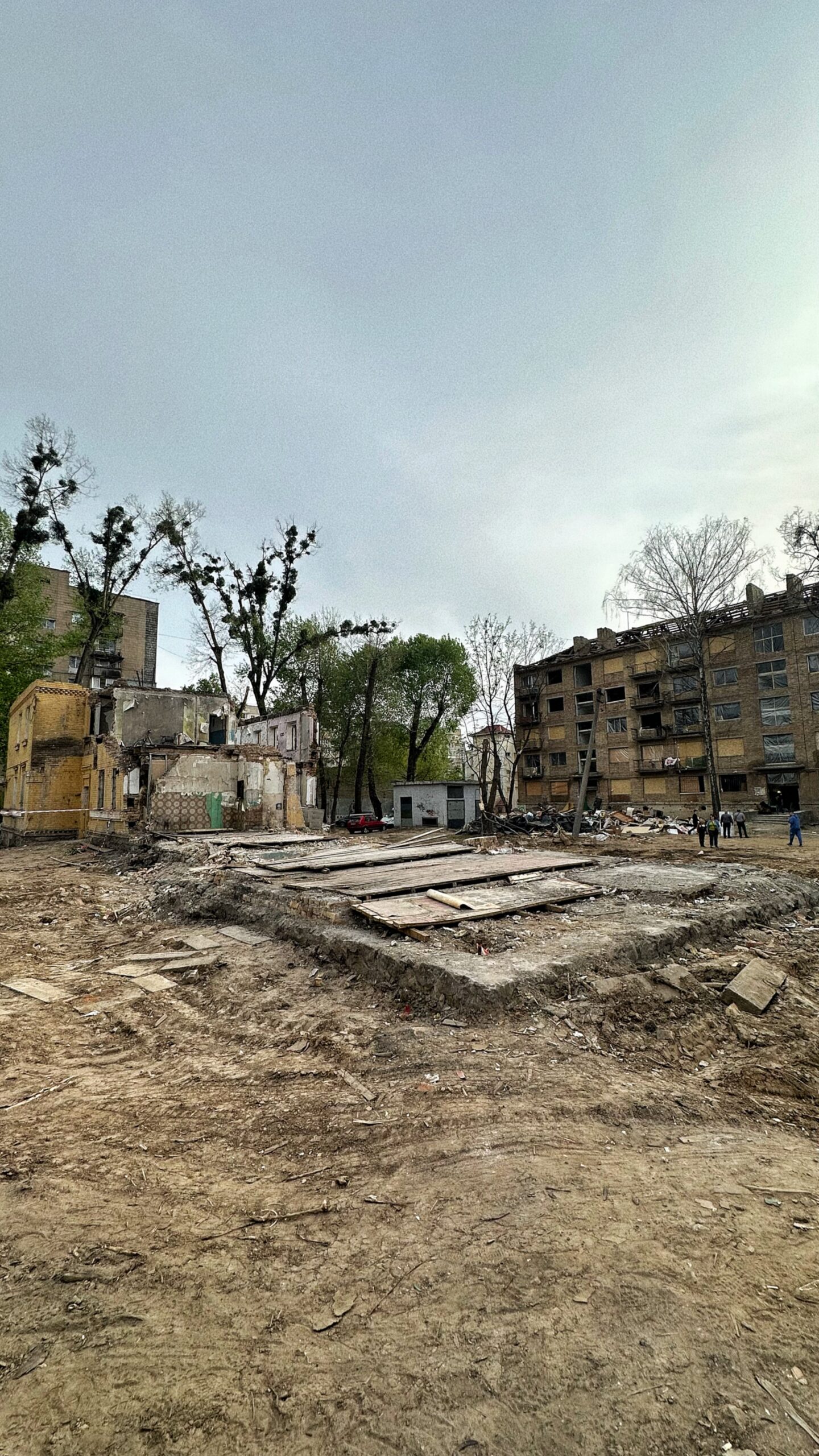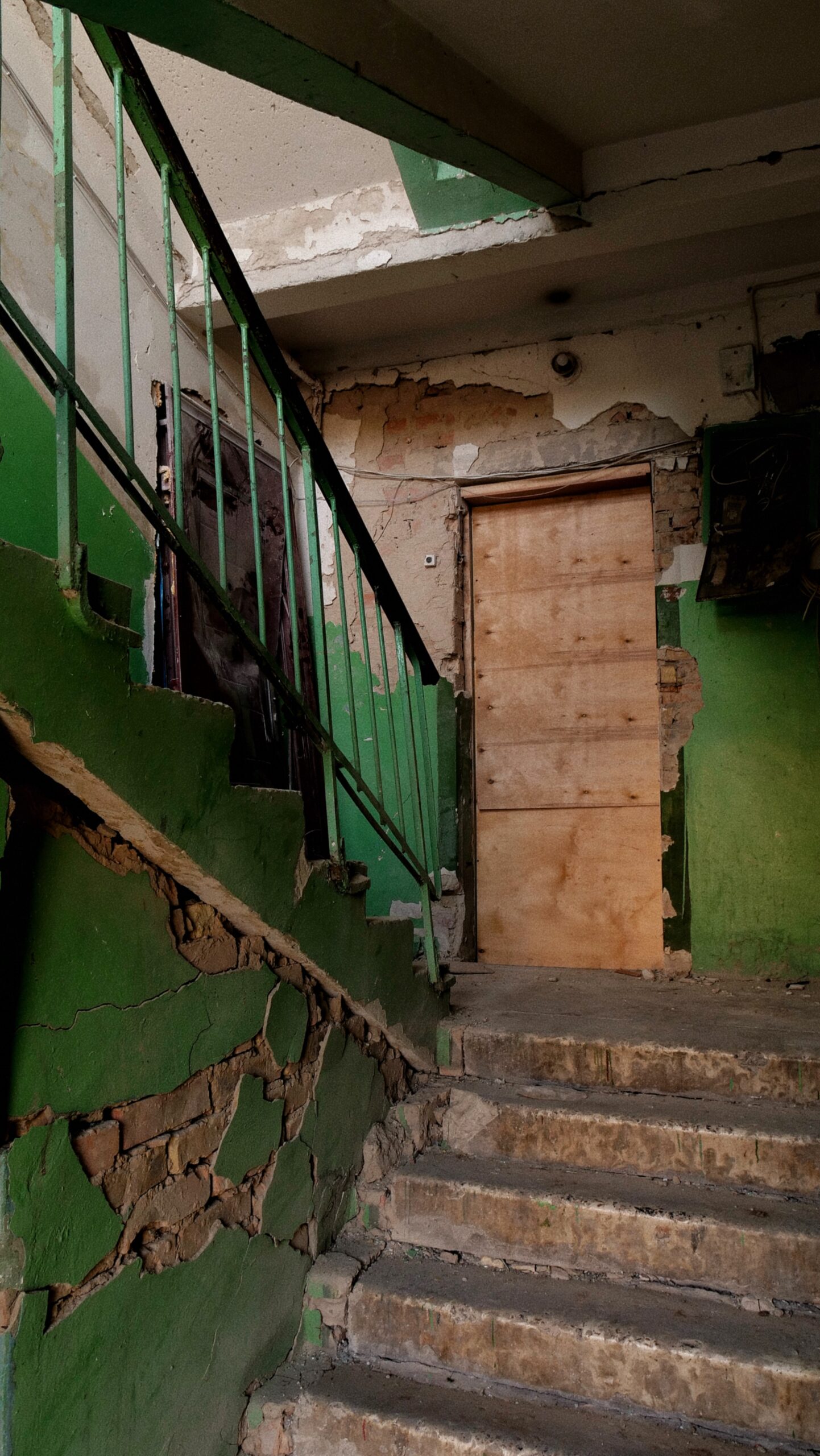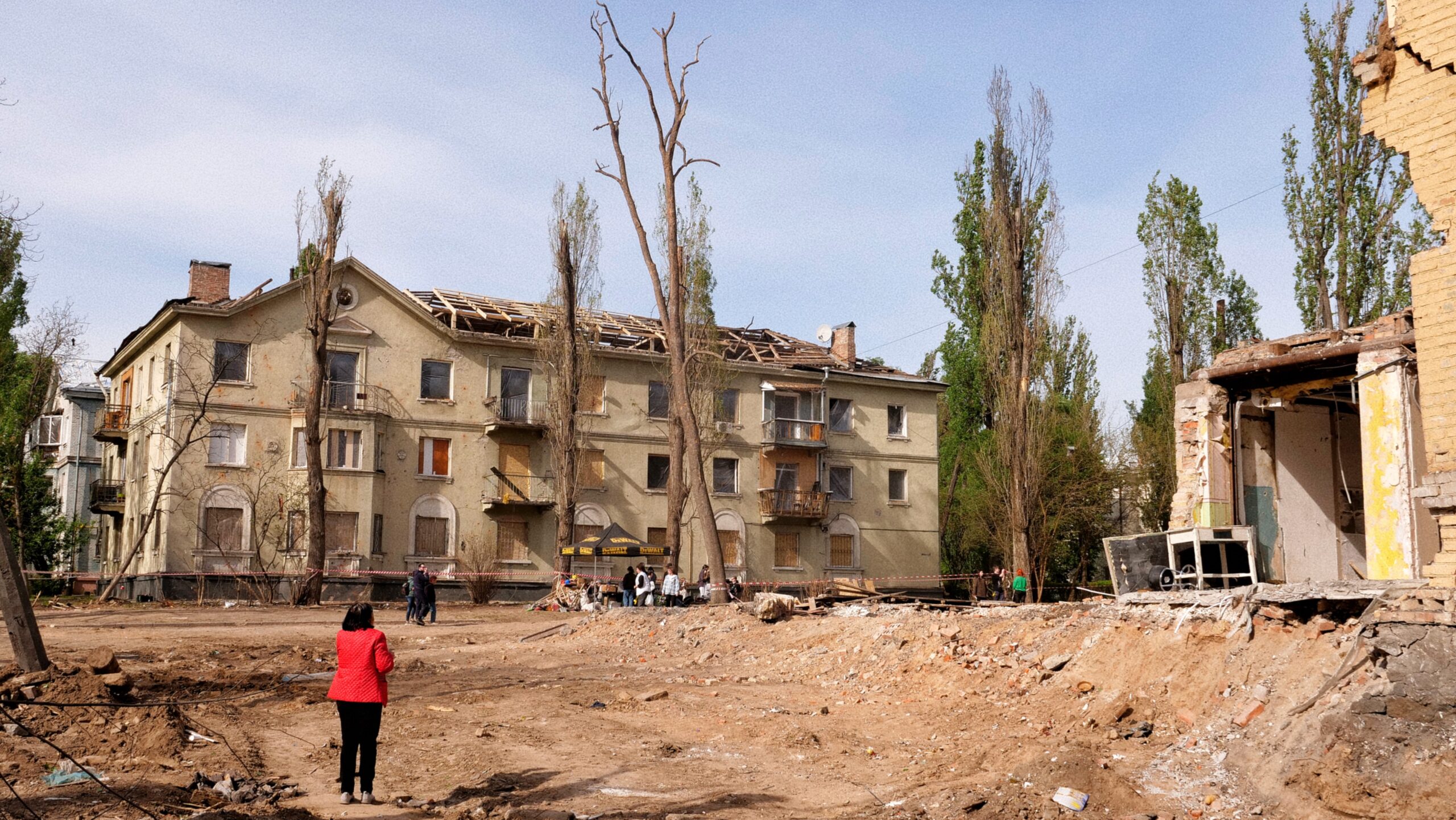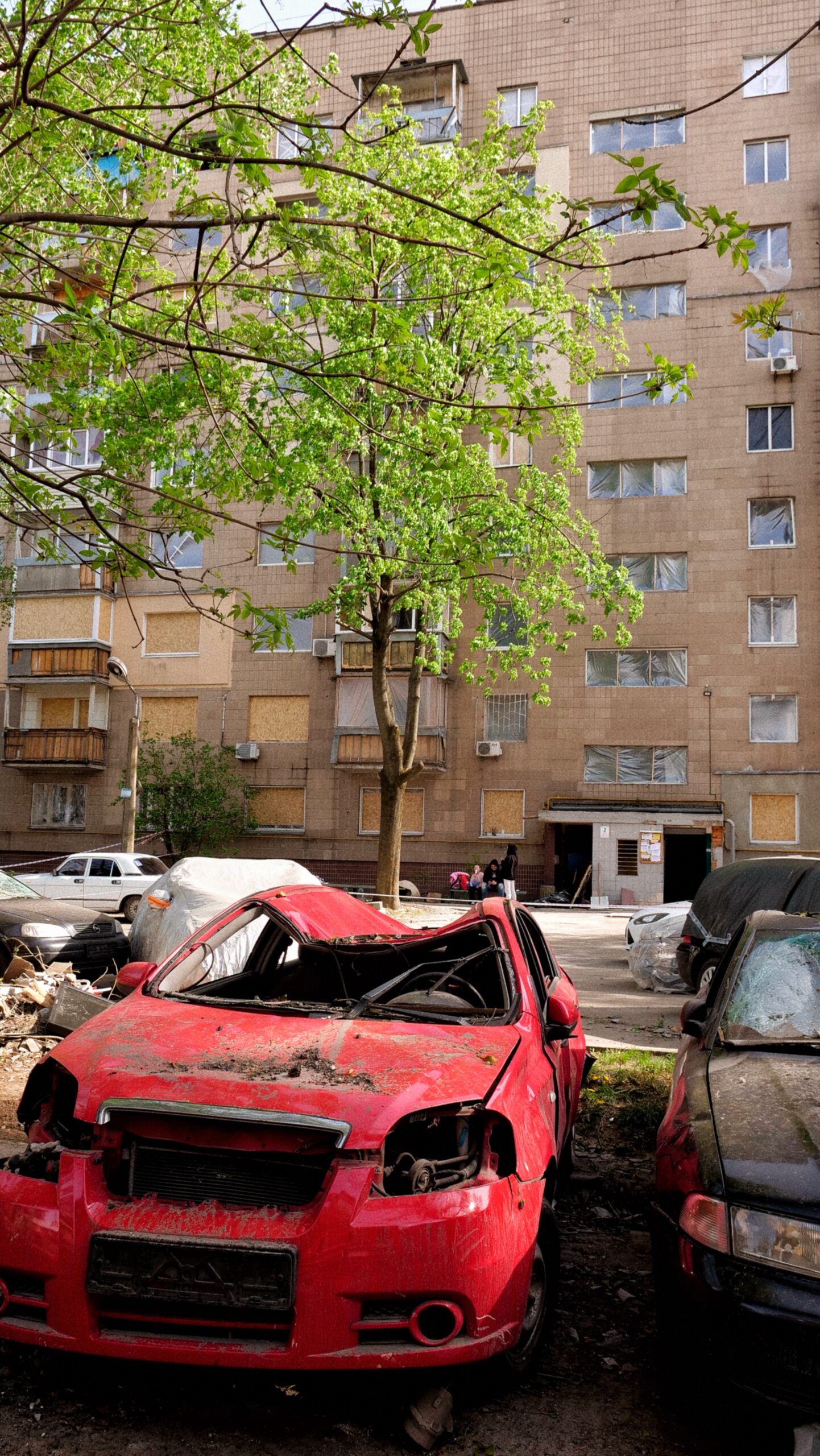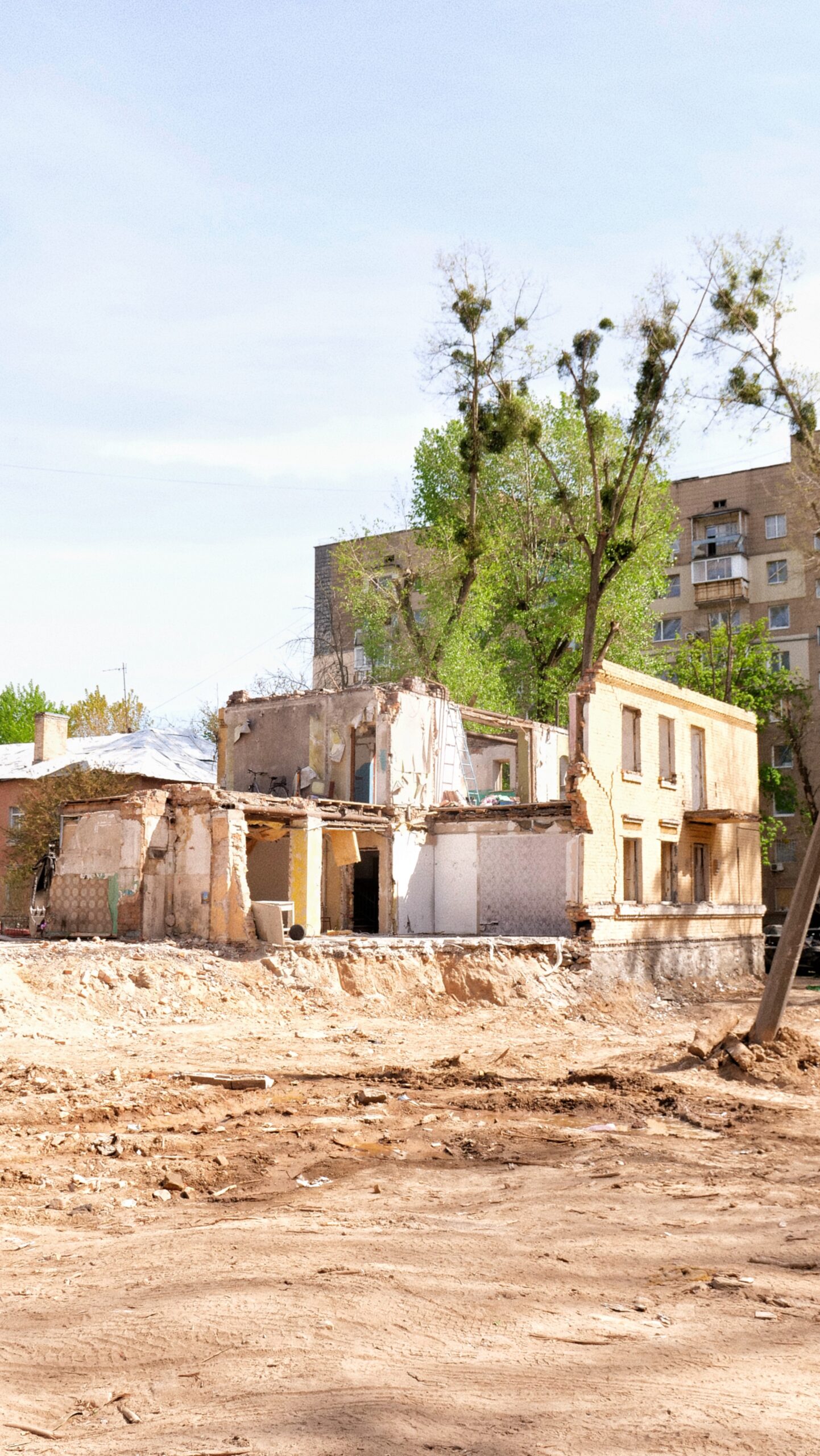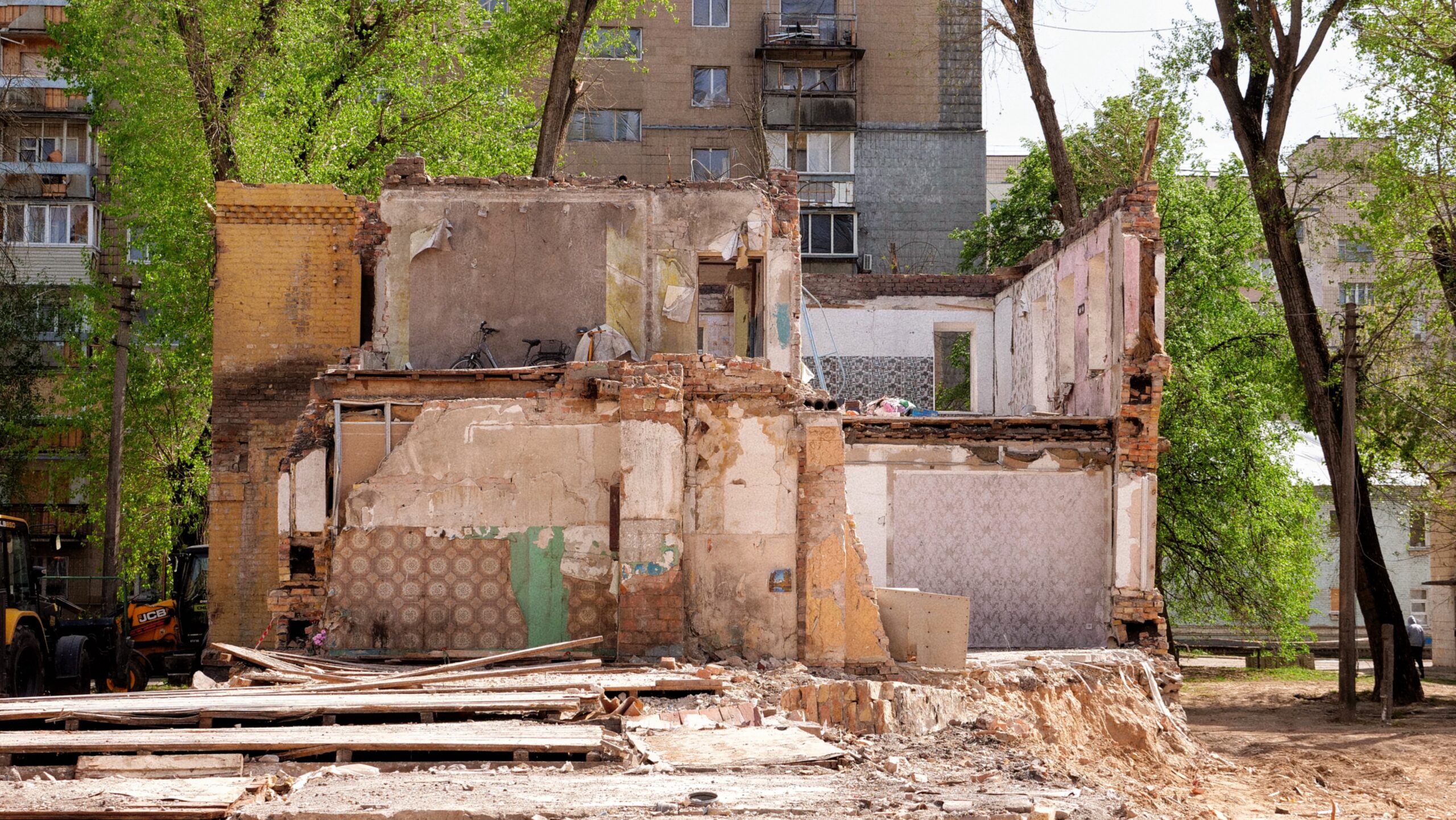
Mitigation of the consequences of 24 mass attacks and deployment of an informal city response system
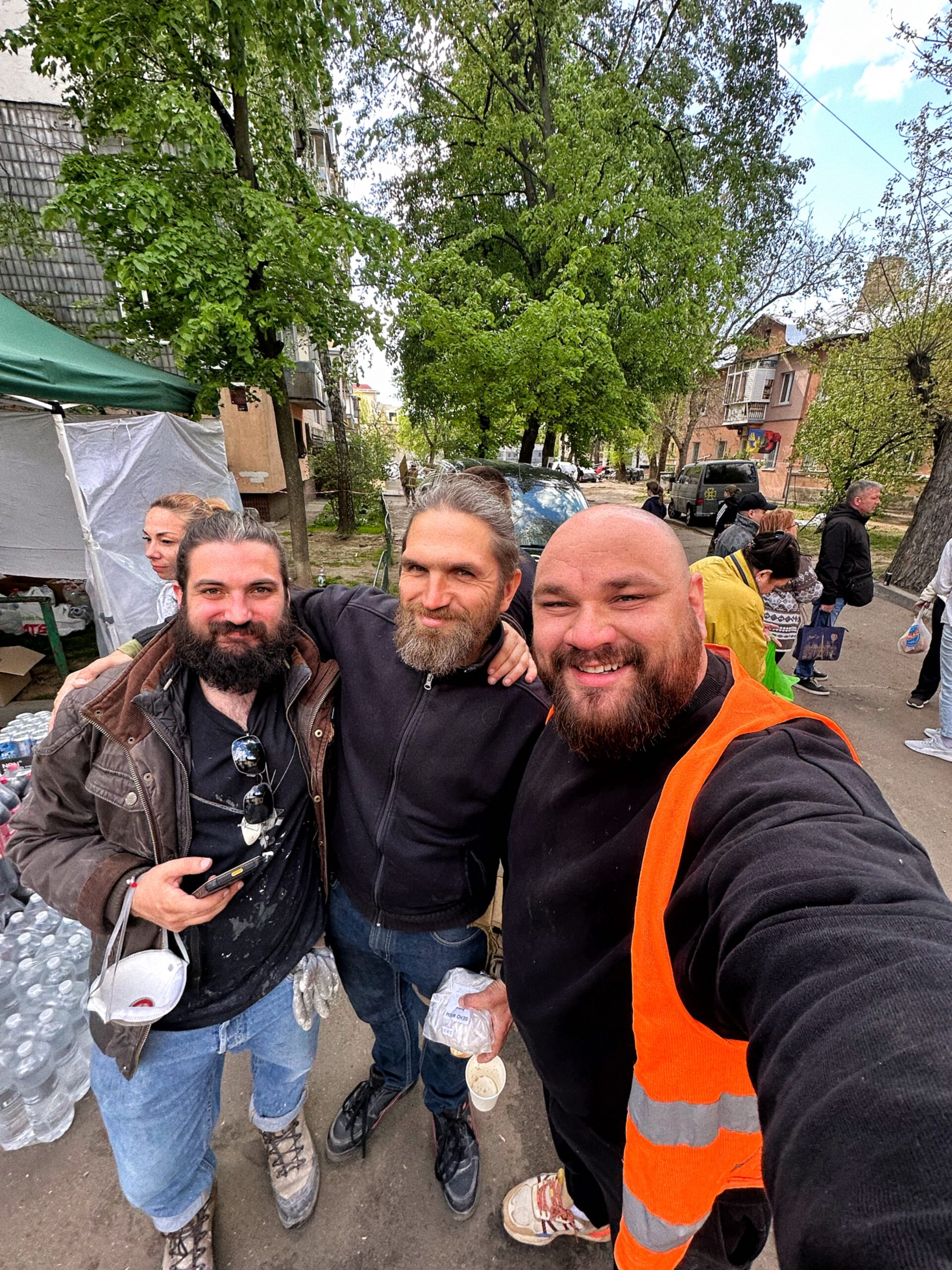
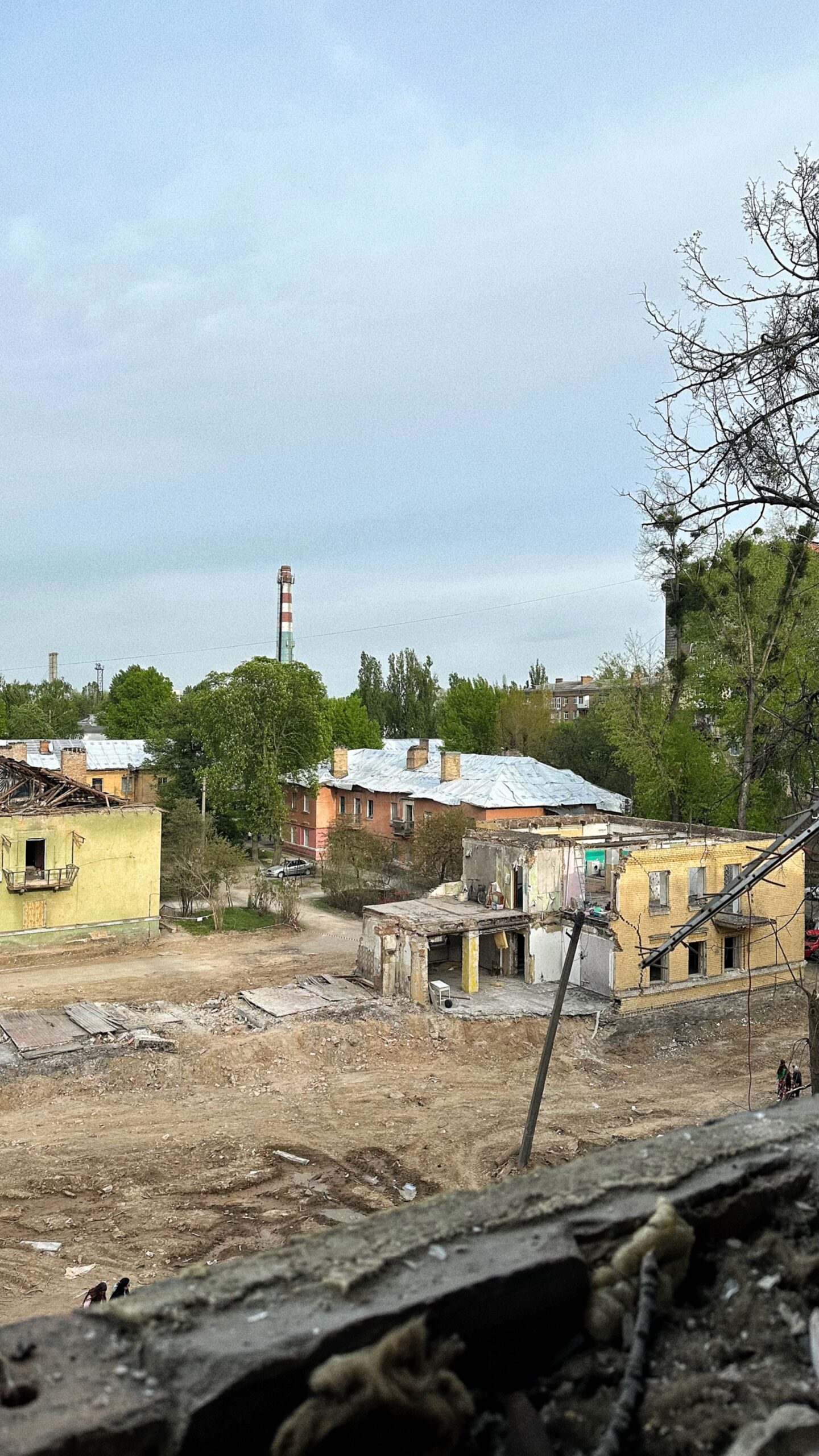
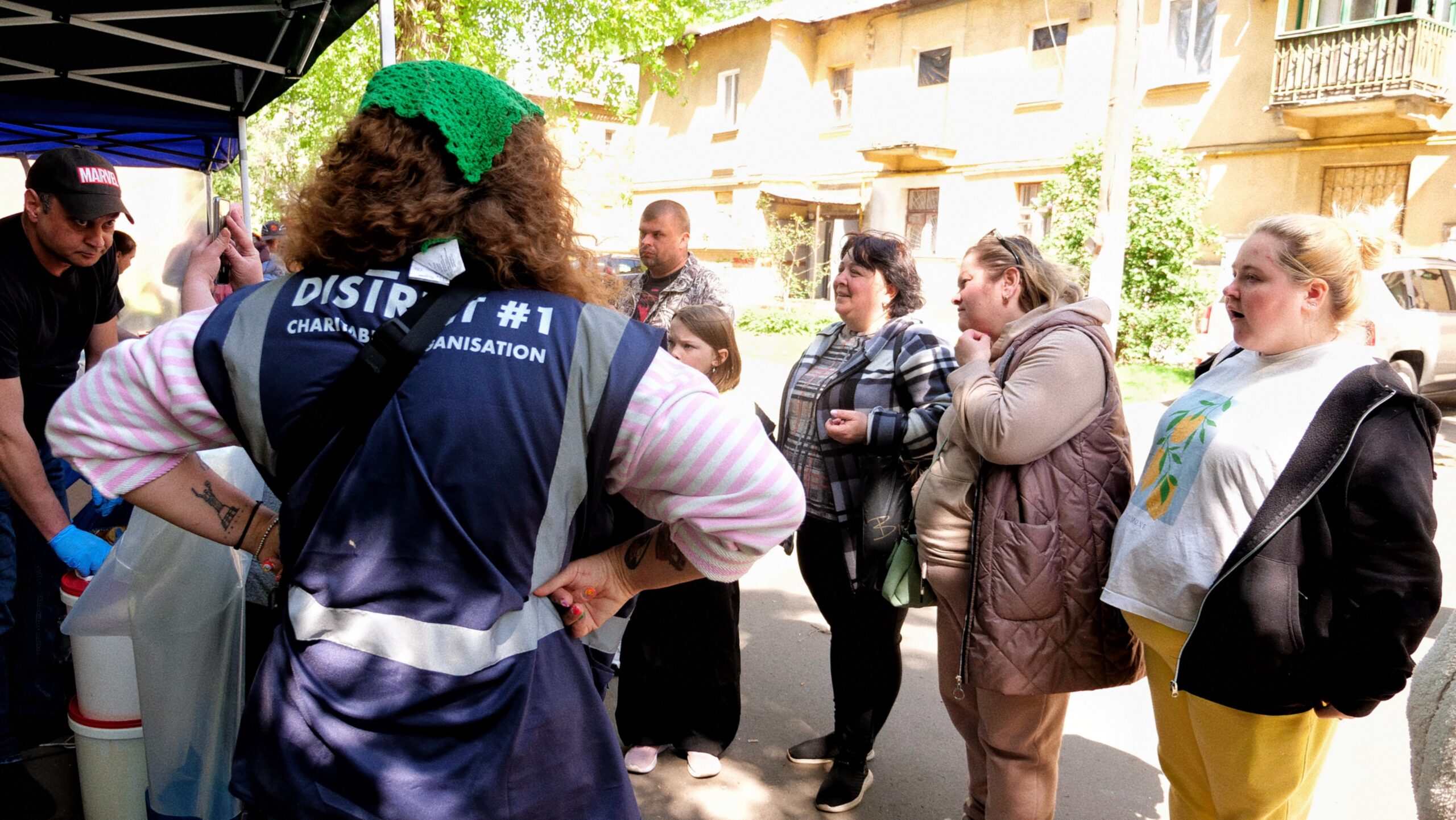
For Ukraine’s capital, 2025 became a year of unprecedented security pressure. Responding to constant aerial attacks required not only the involvement of state services, but also the immediate mobilization of civil society. Our charitable organization, the District #1 Charity Foundation, became one of the key elements of a self-organized ecosystem of volunteers, civic initiatives, and foundations that ensured systematic emergency response directly at impact sites.
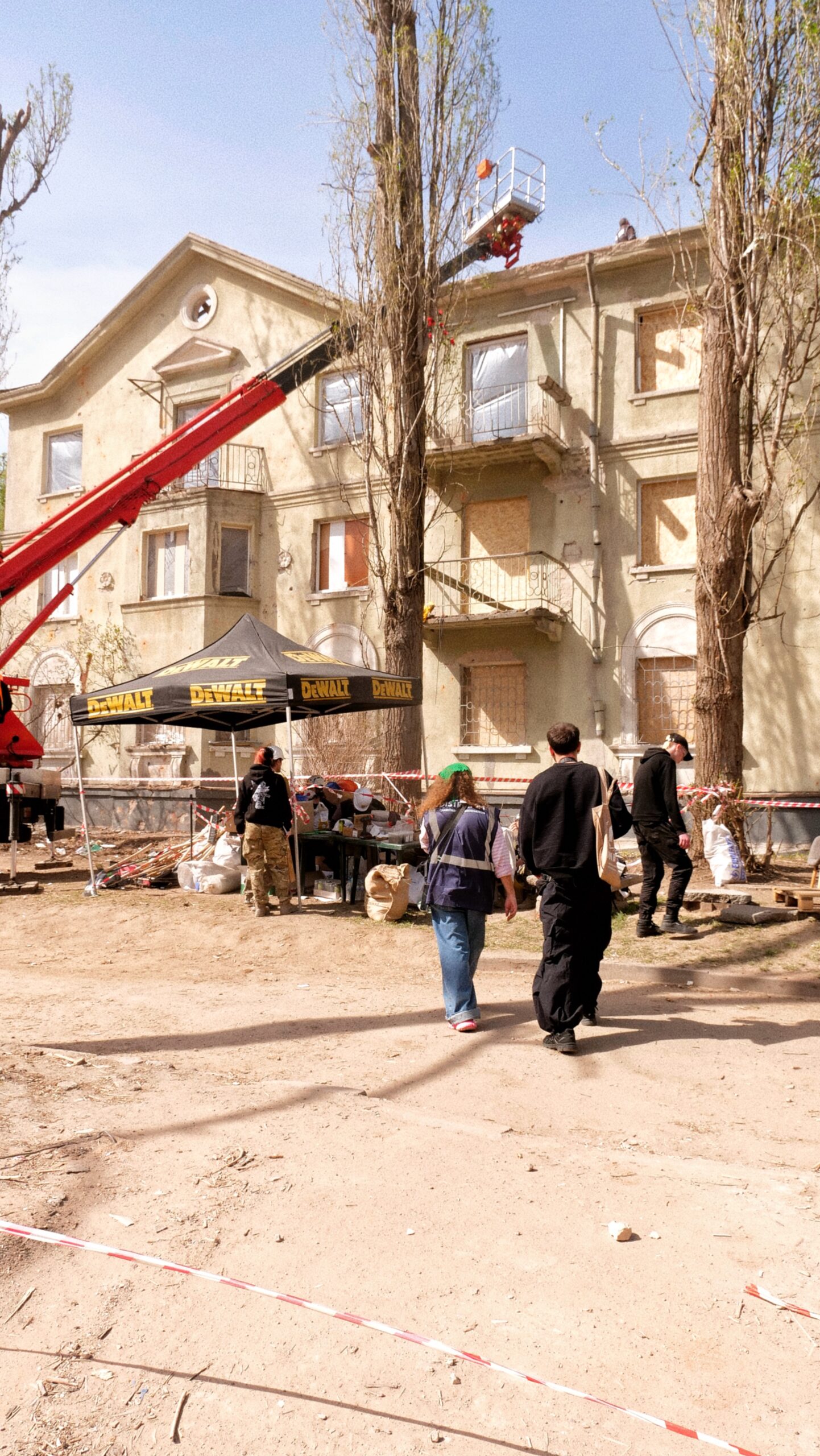
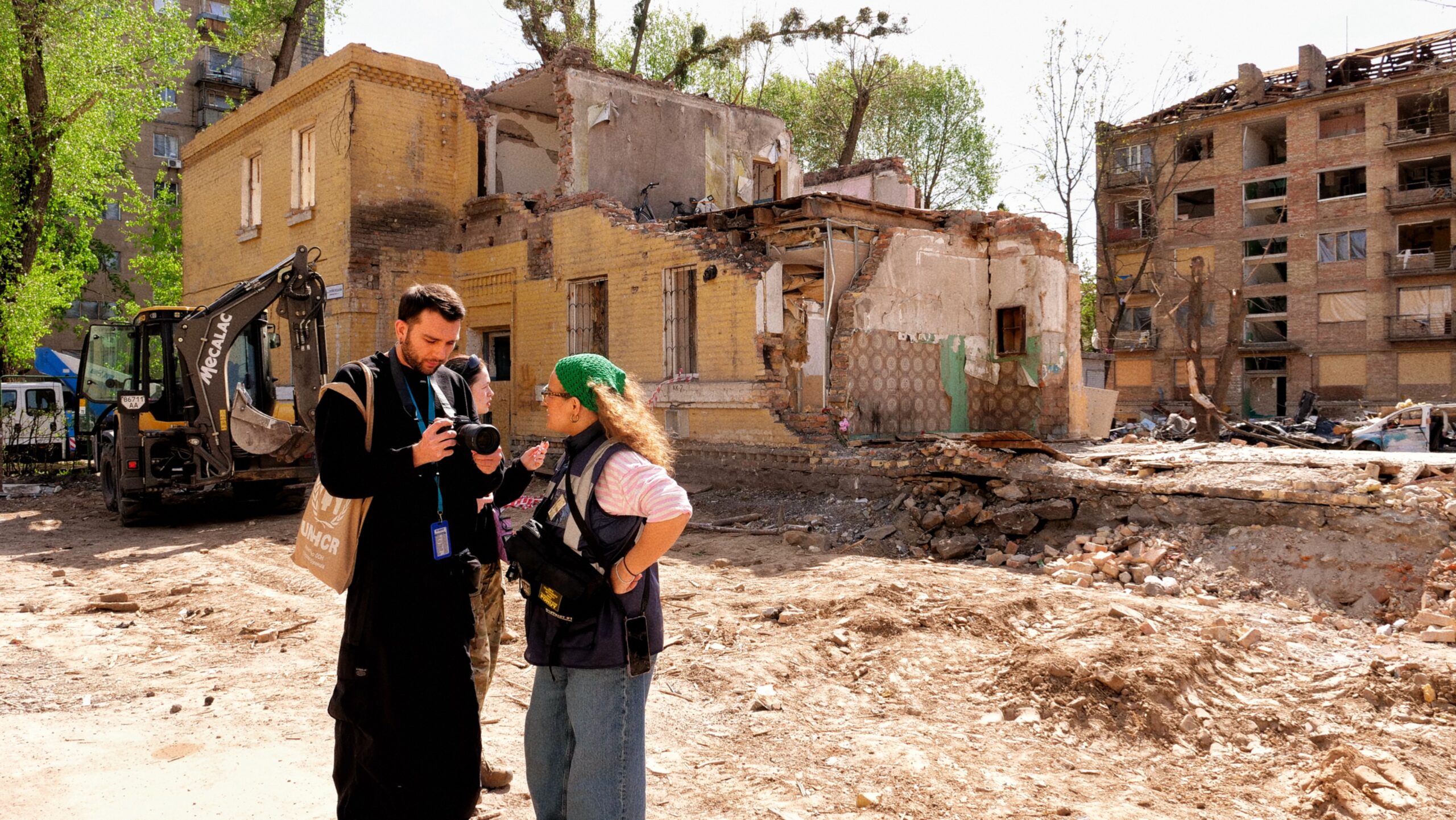
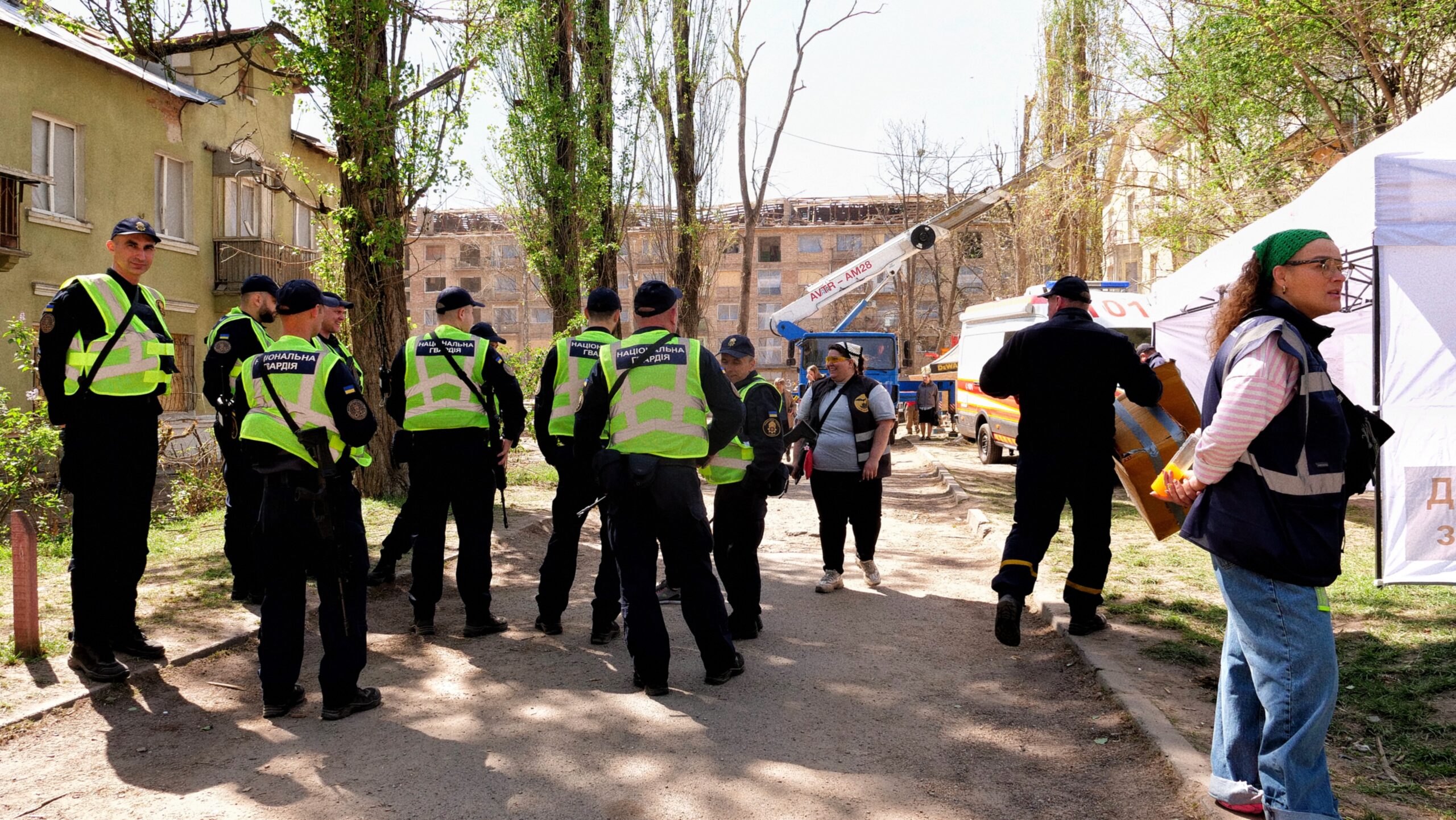
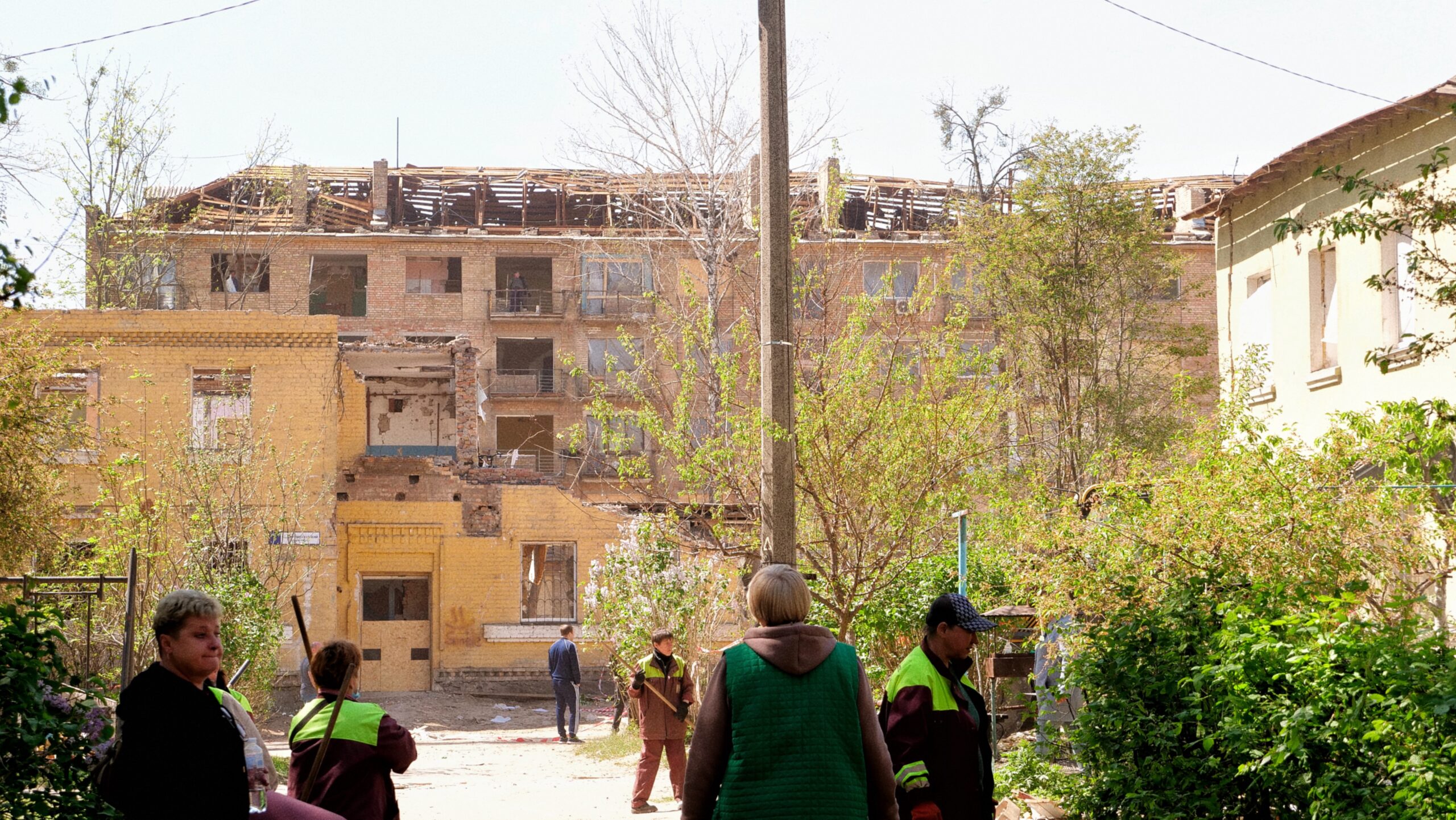
When enemy missiles and drones struck the city, our team simultaneously deployed operational headquarters in several districts of Kyiv, taking on the first wave of the humanitarian crisis.
Coordination and geography of response
The head of the Foundation’s Emergency Response direction and initiator of volunteer coordination was Kateryna Terekhova. Under her coordination, the team responded to the consequences of 24 large-scale attacks throughout the year.
The work of the joint team covered 8 districts of Kyiv: Shevchenkivskyi, Podilskyi, Dniprovskyi, Desnianskyi, Darnytskyi, Holosiivskyi, Sviatoshynskyi, and Solomianskyi.
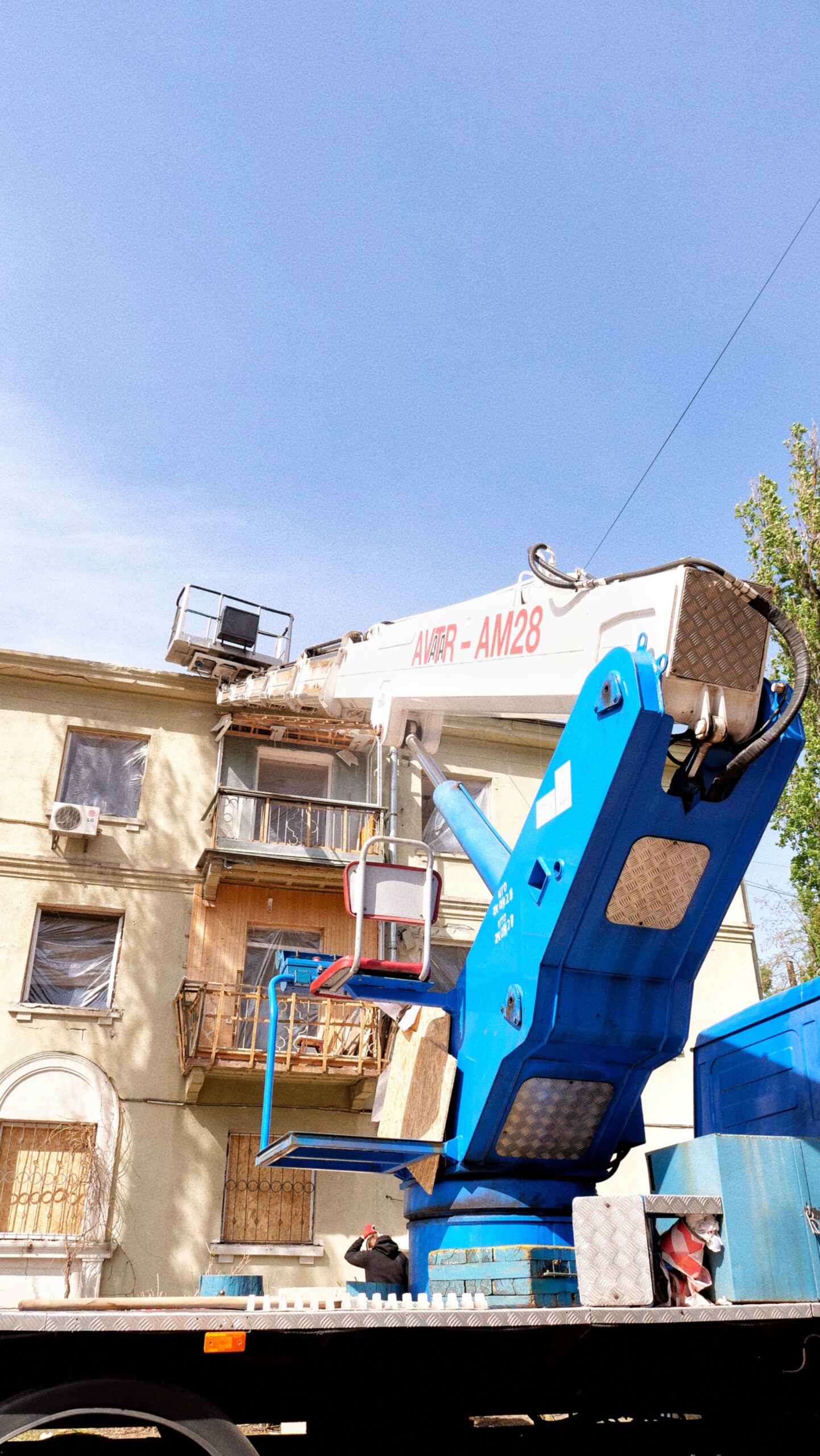
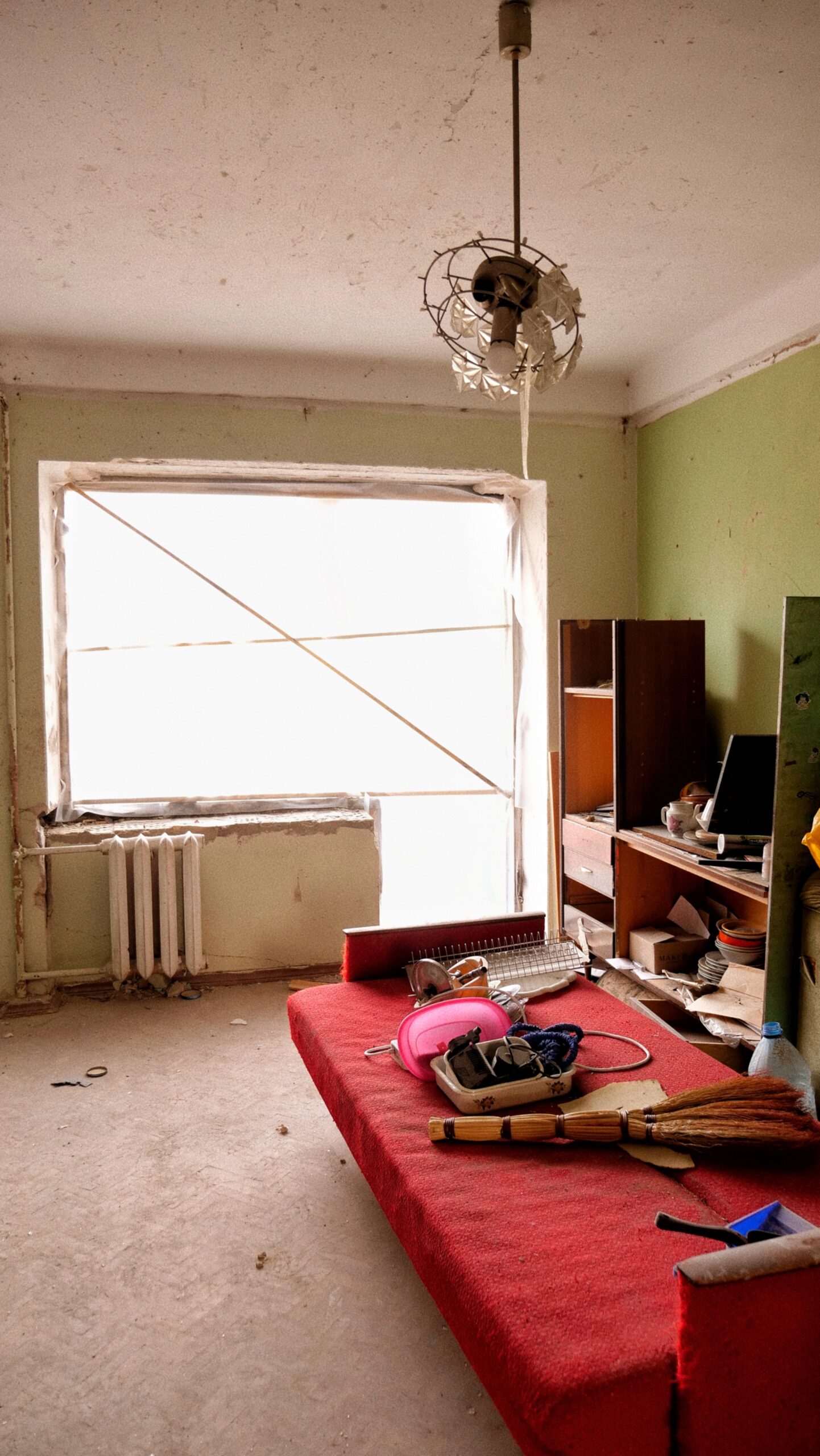
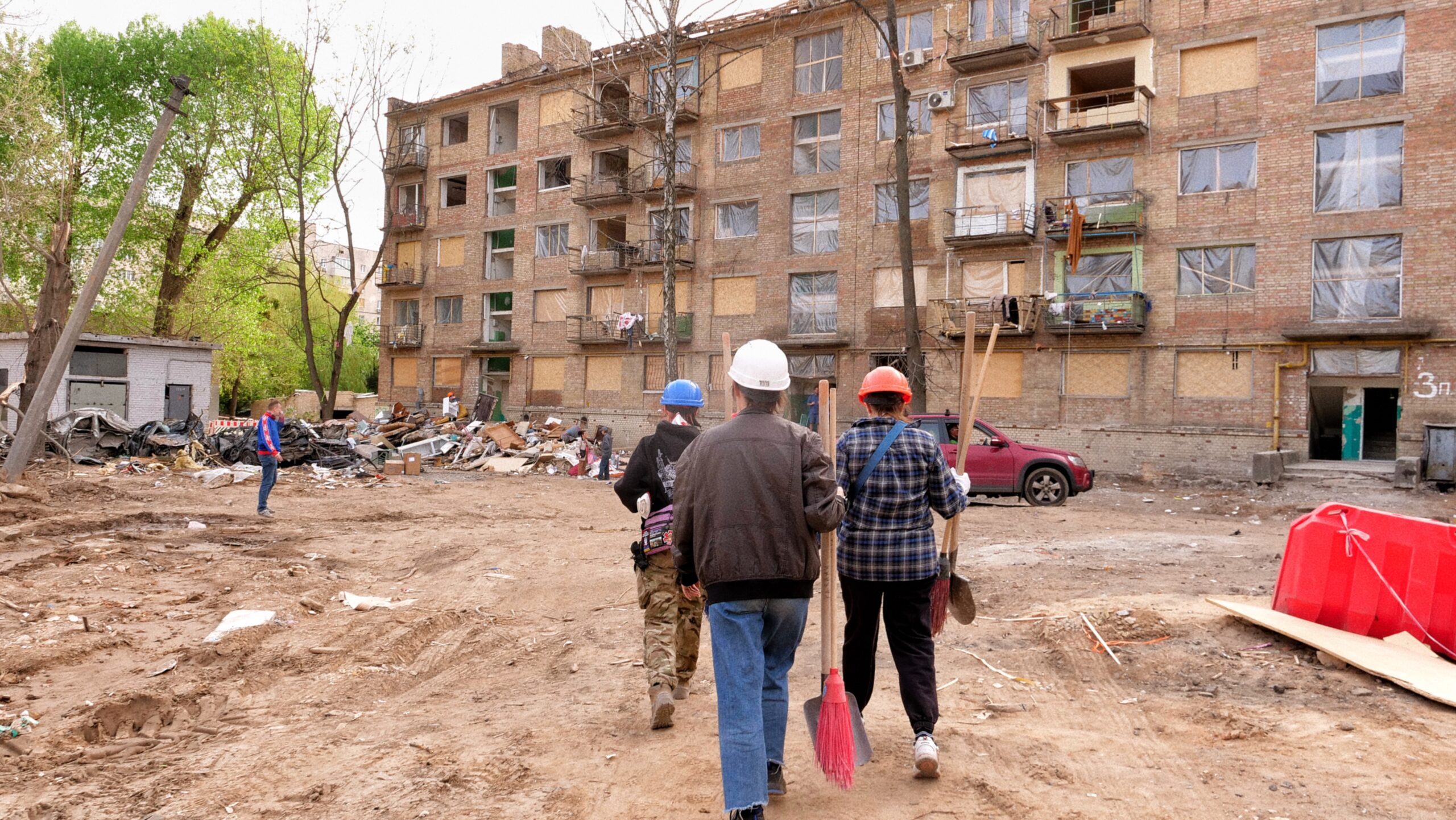
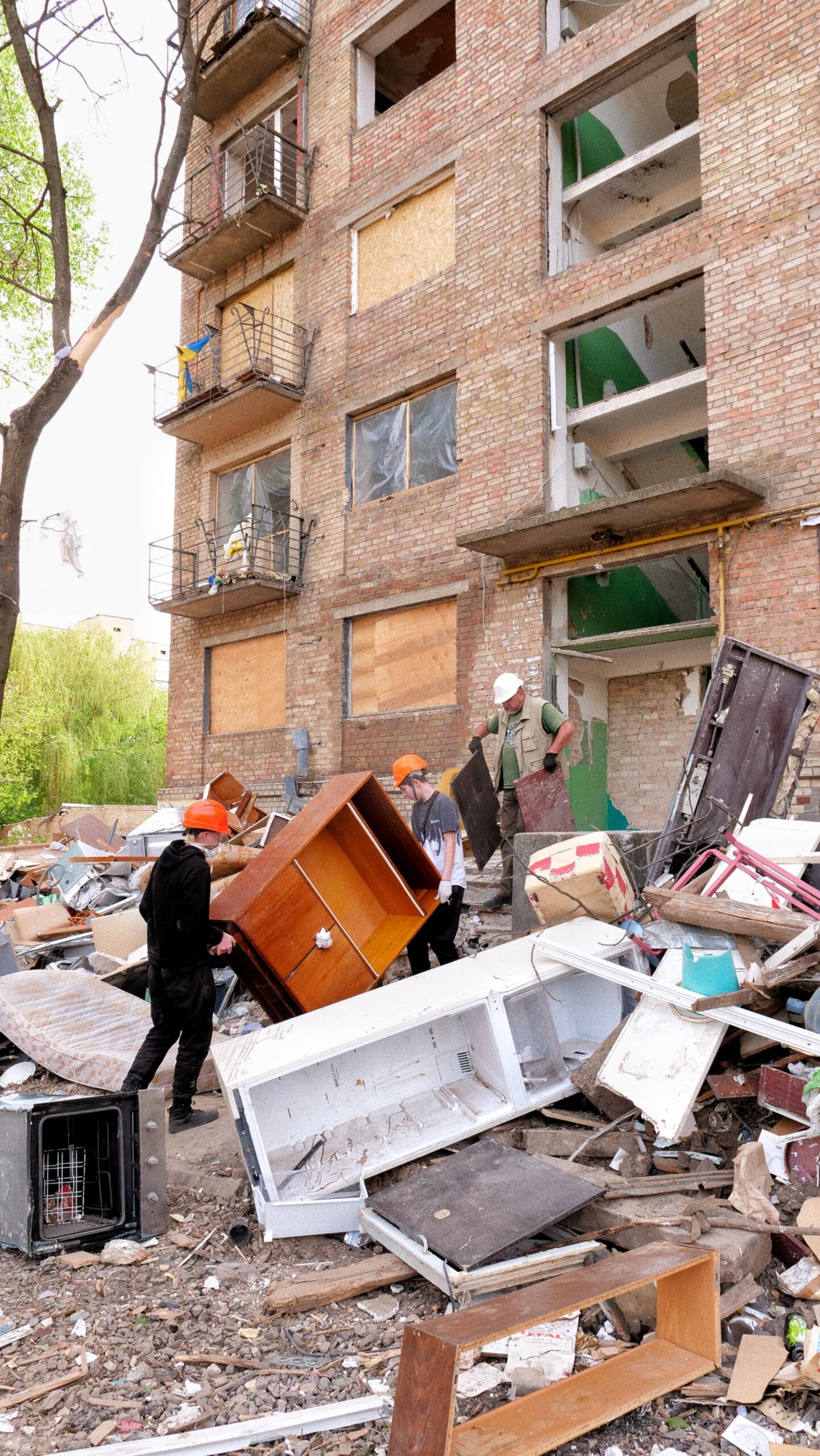
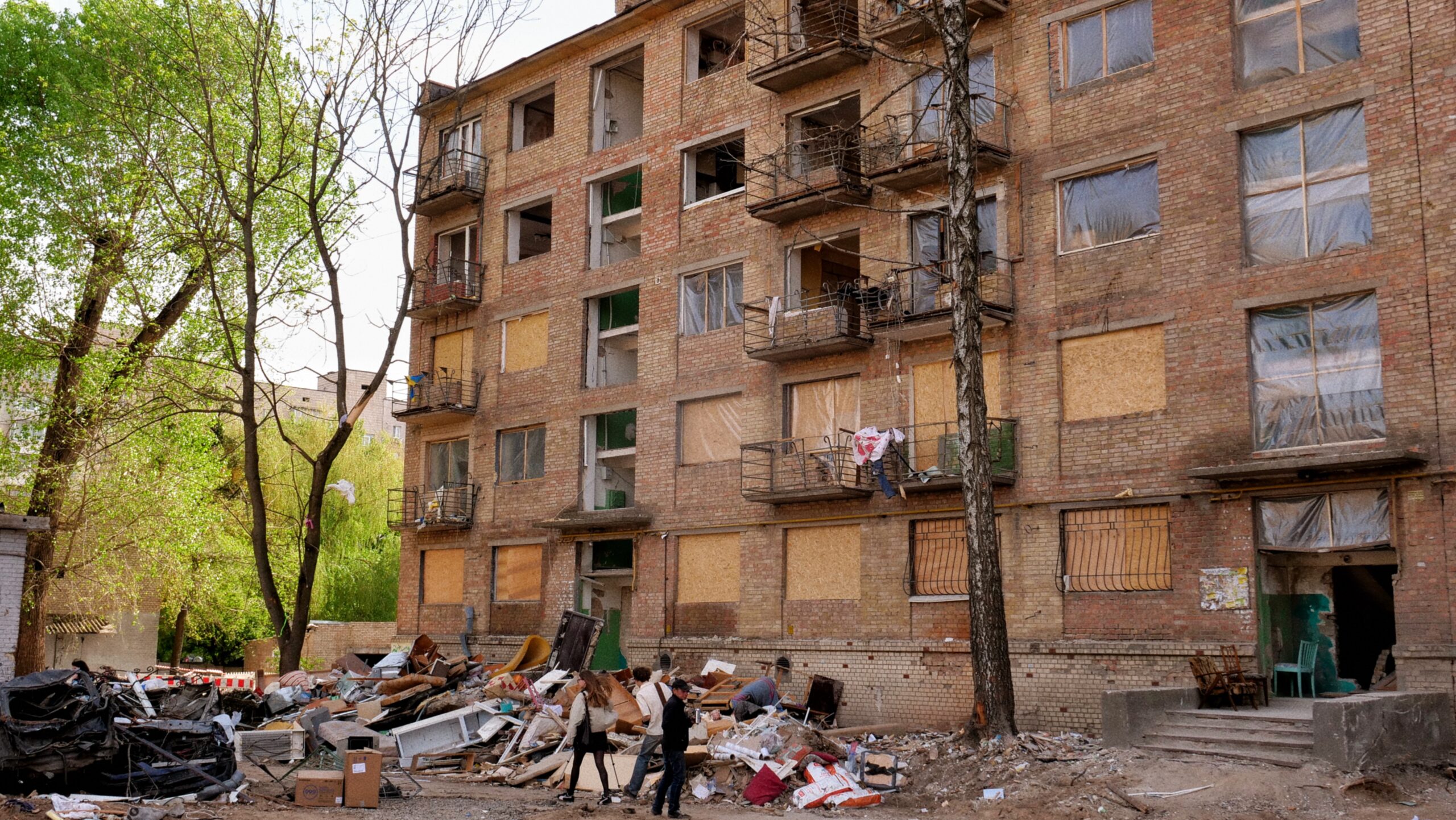
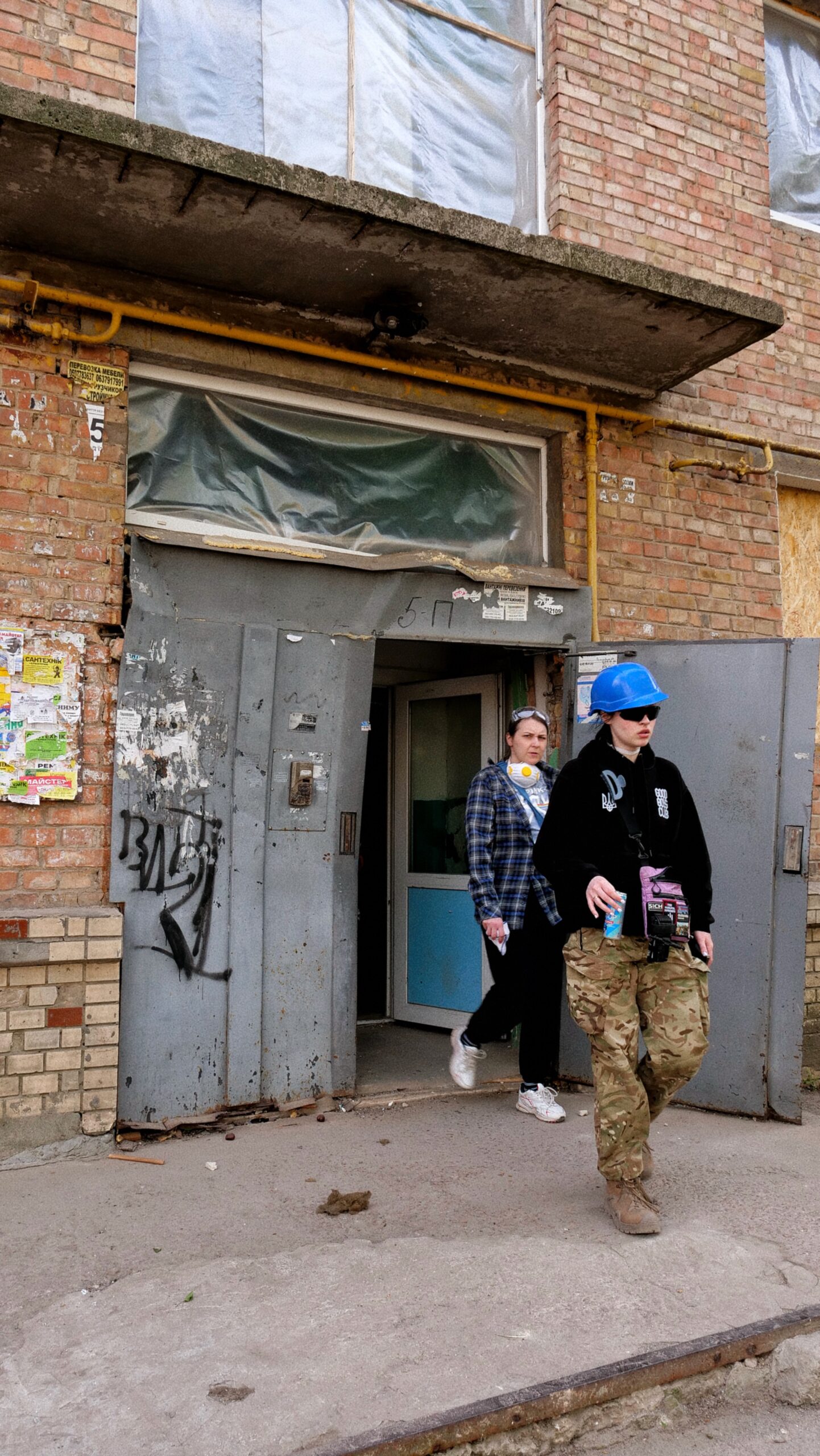
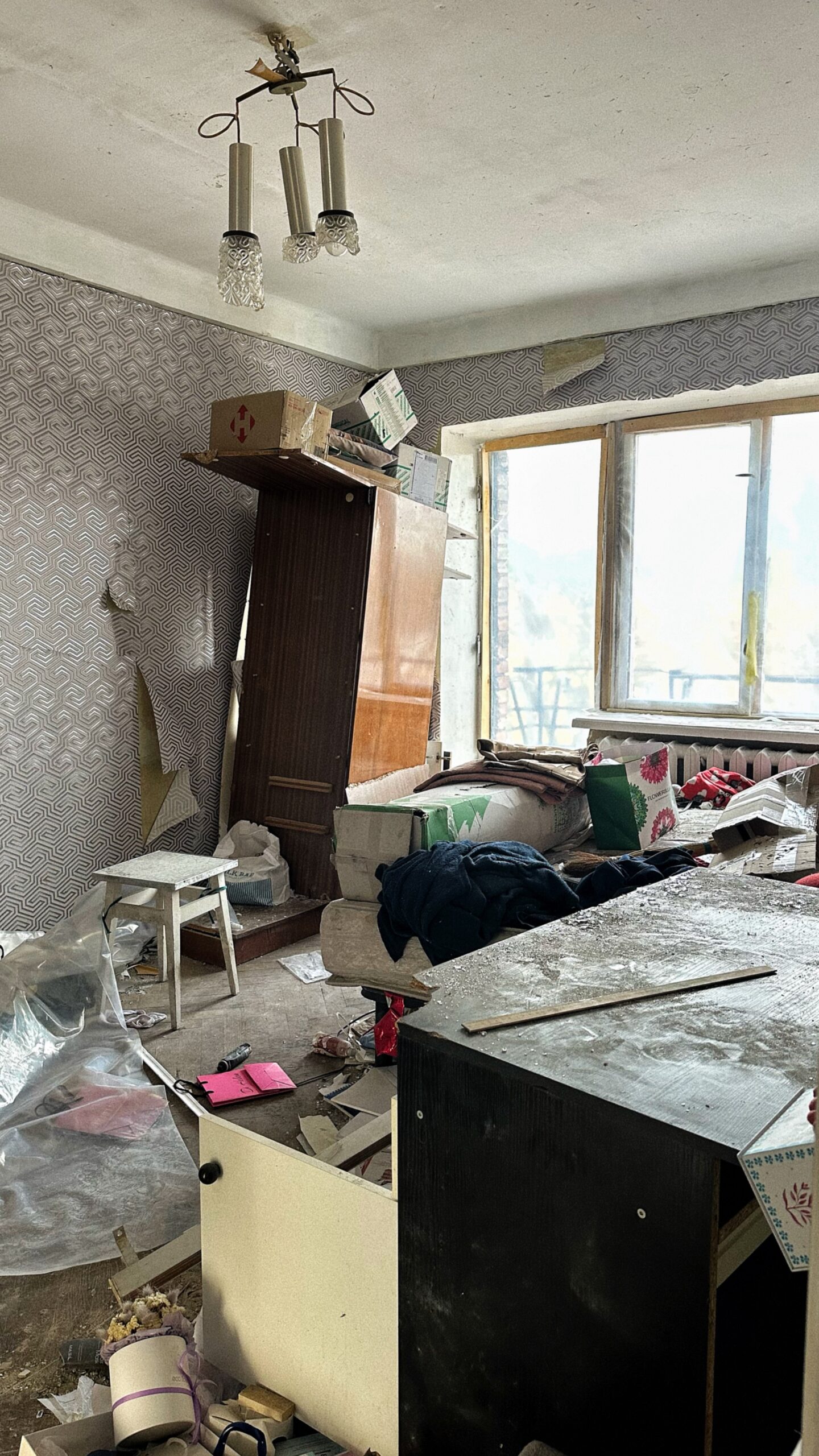
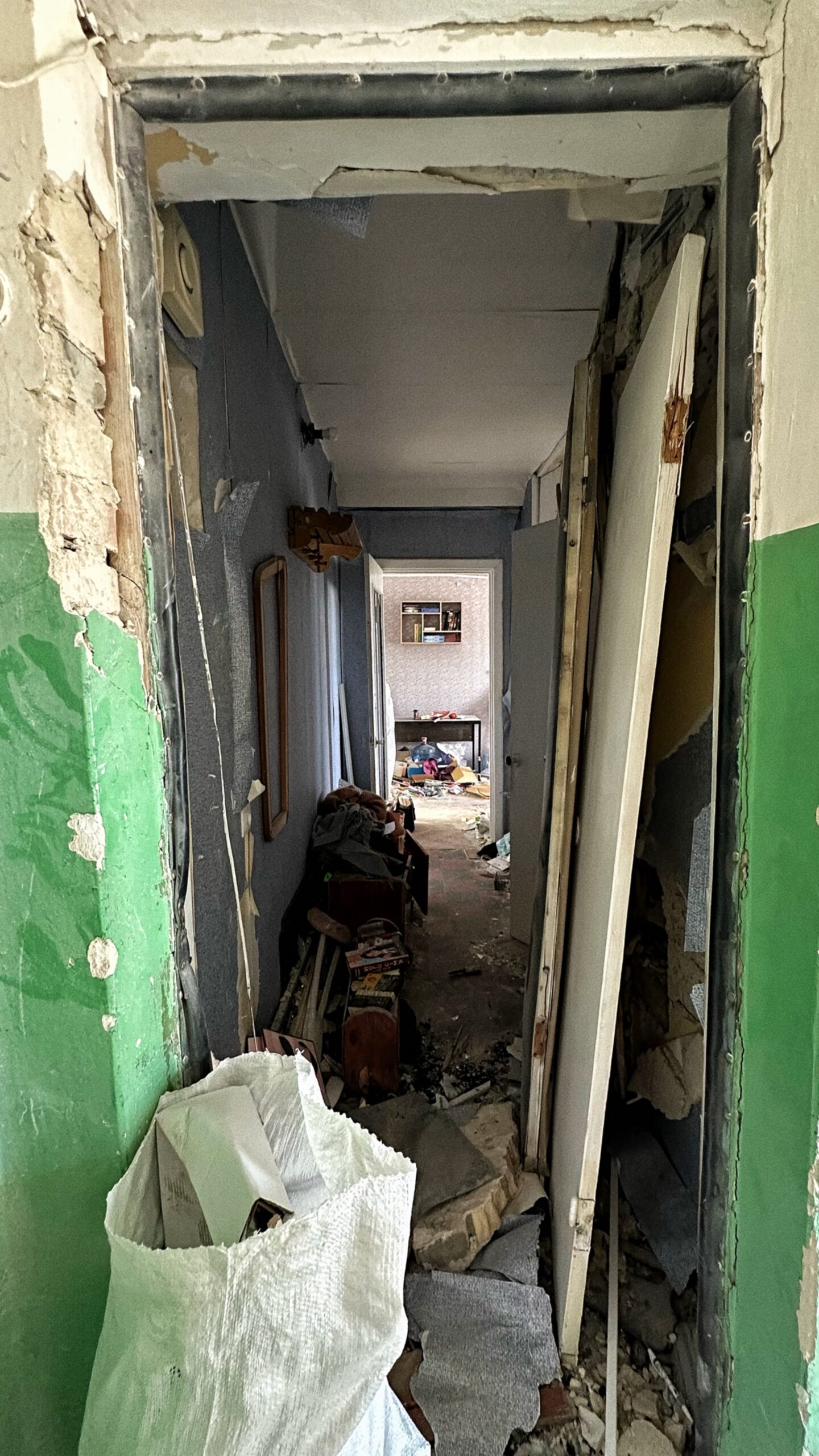
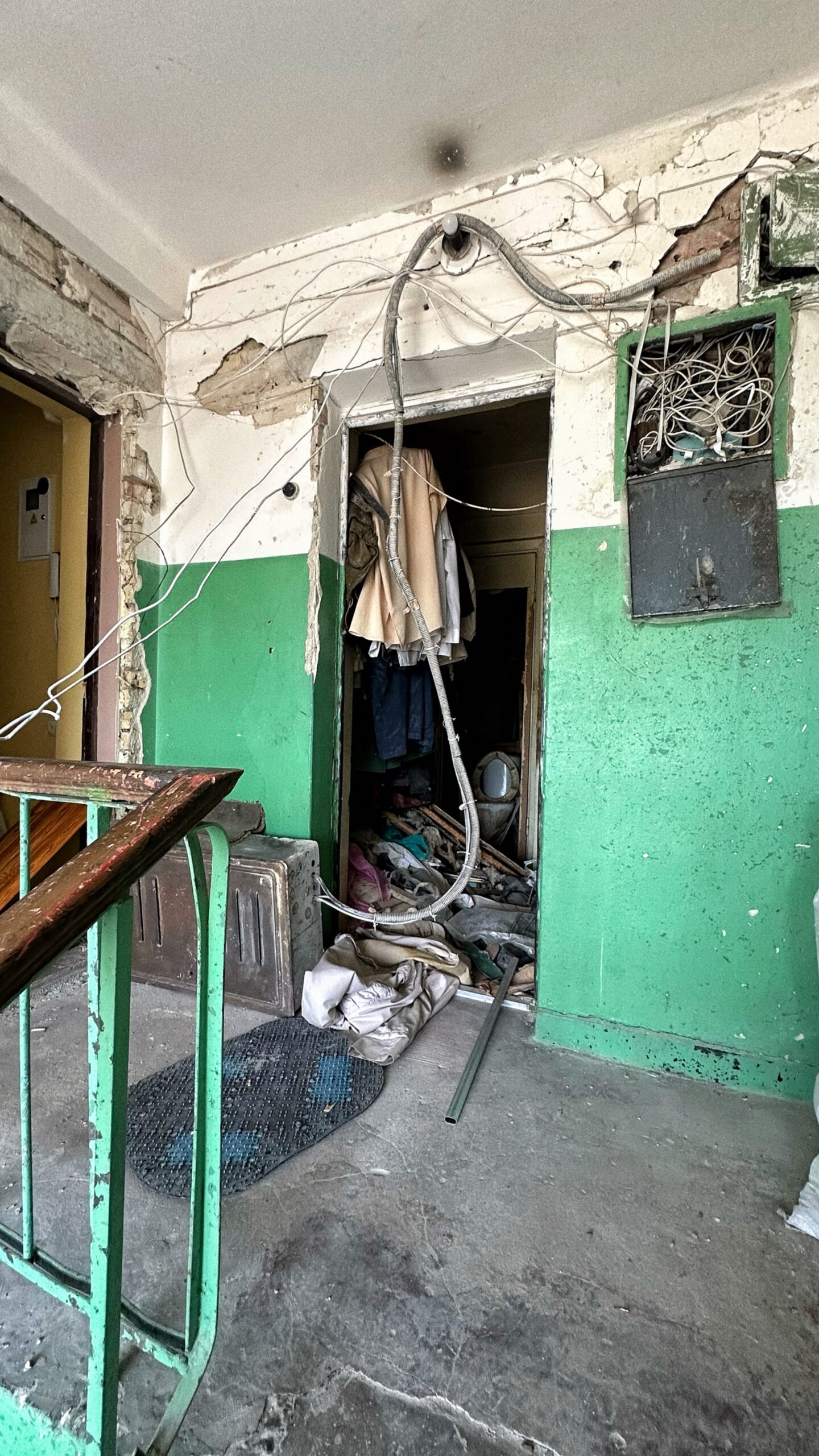
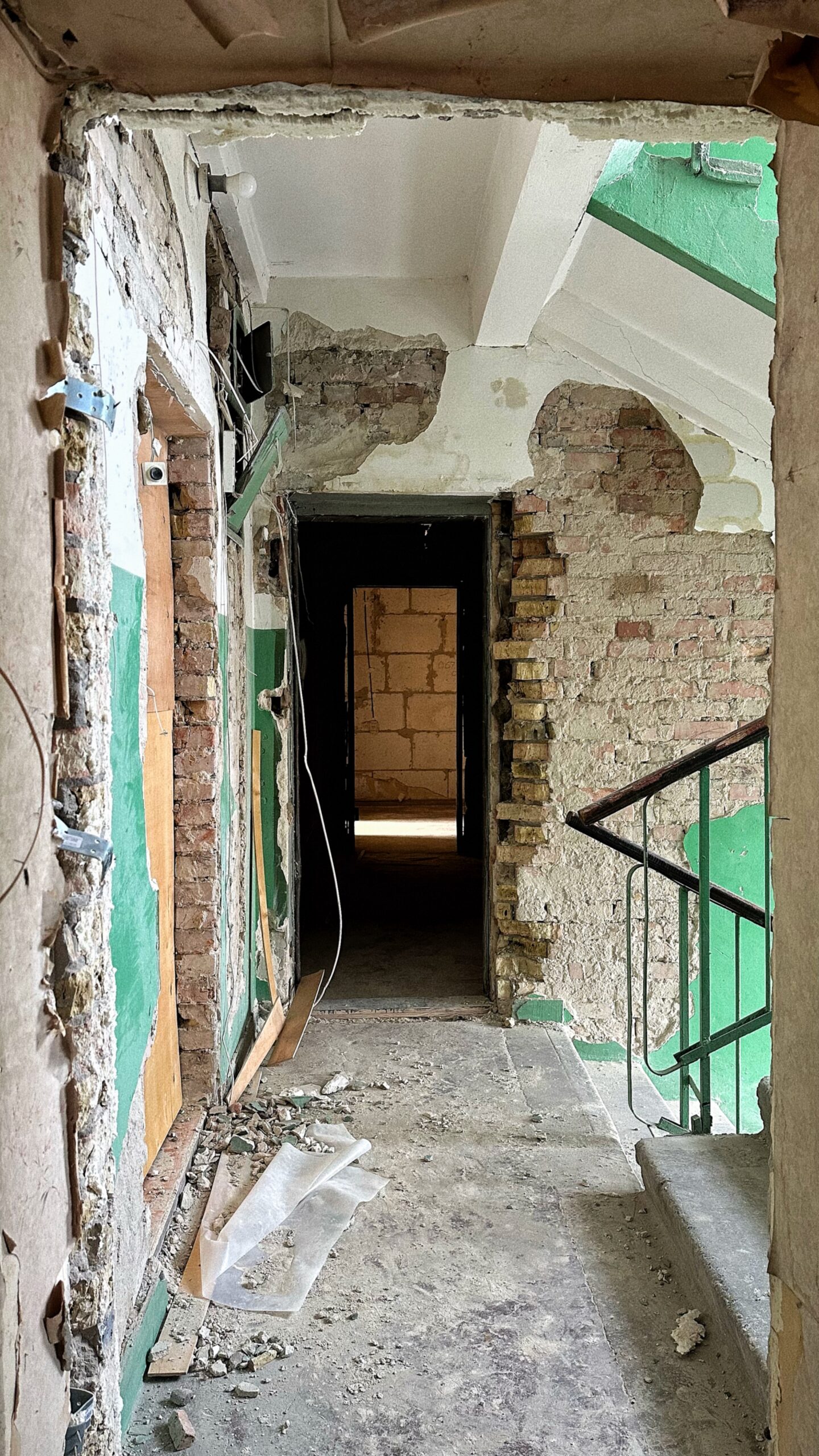
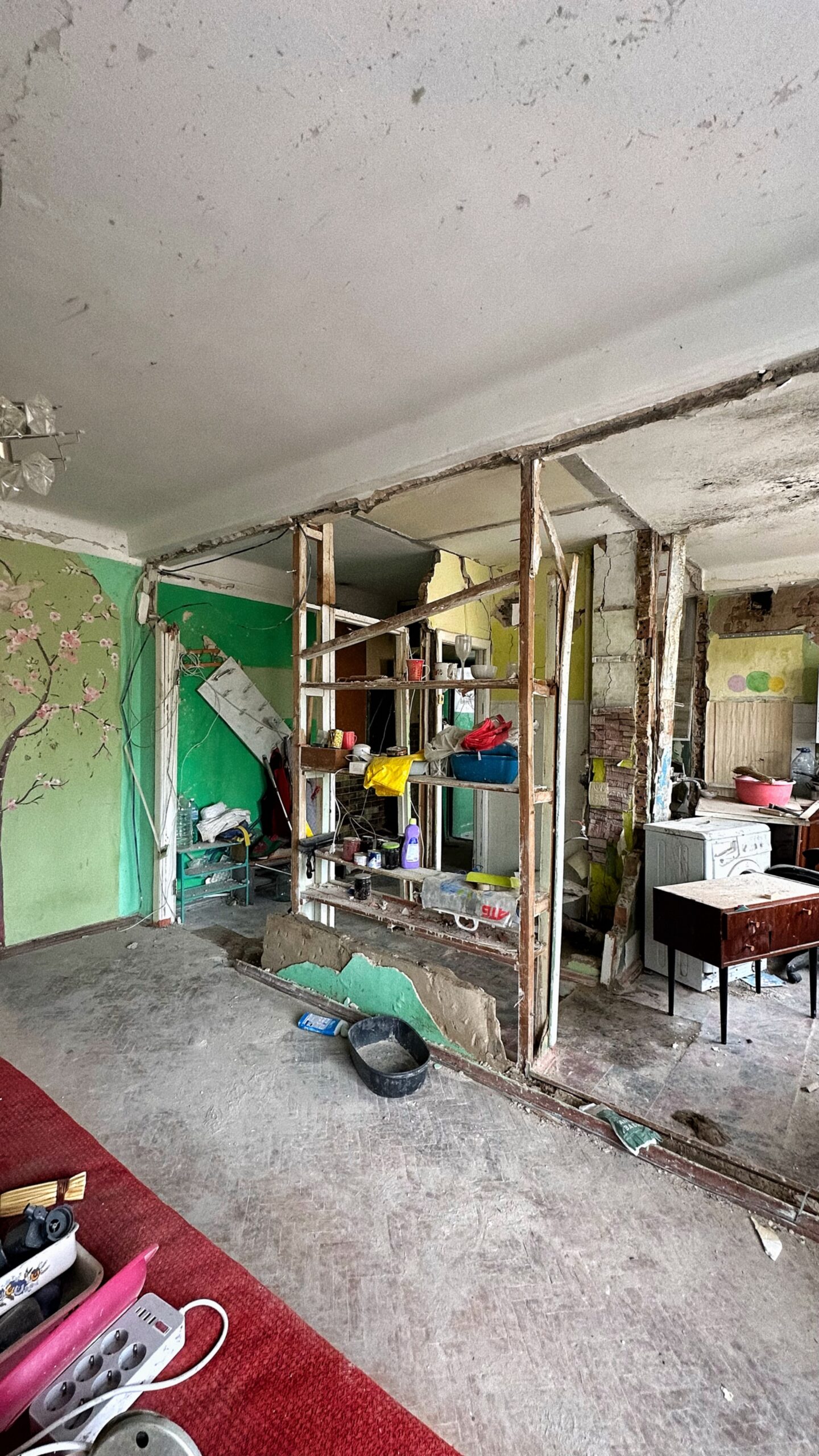
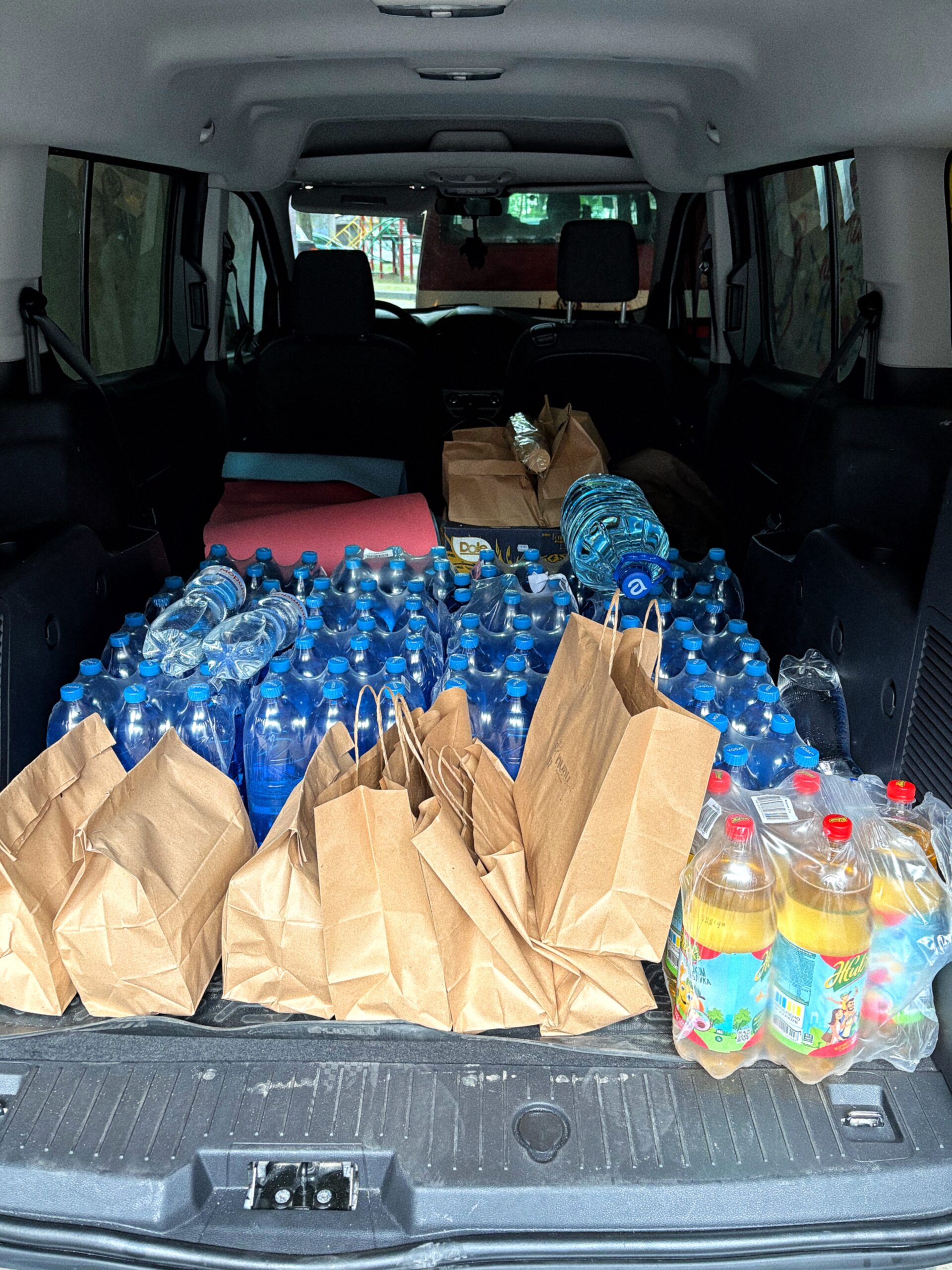
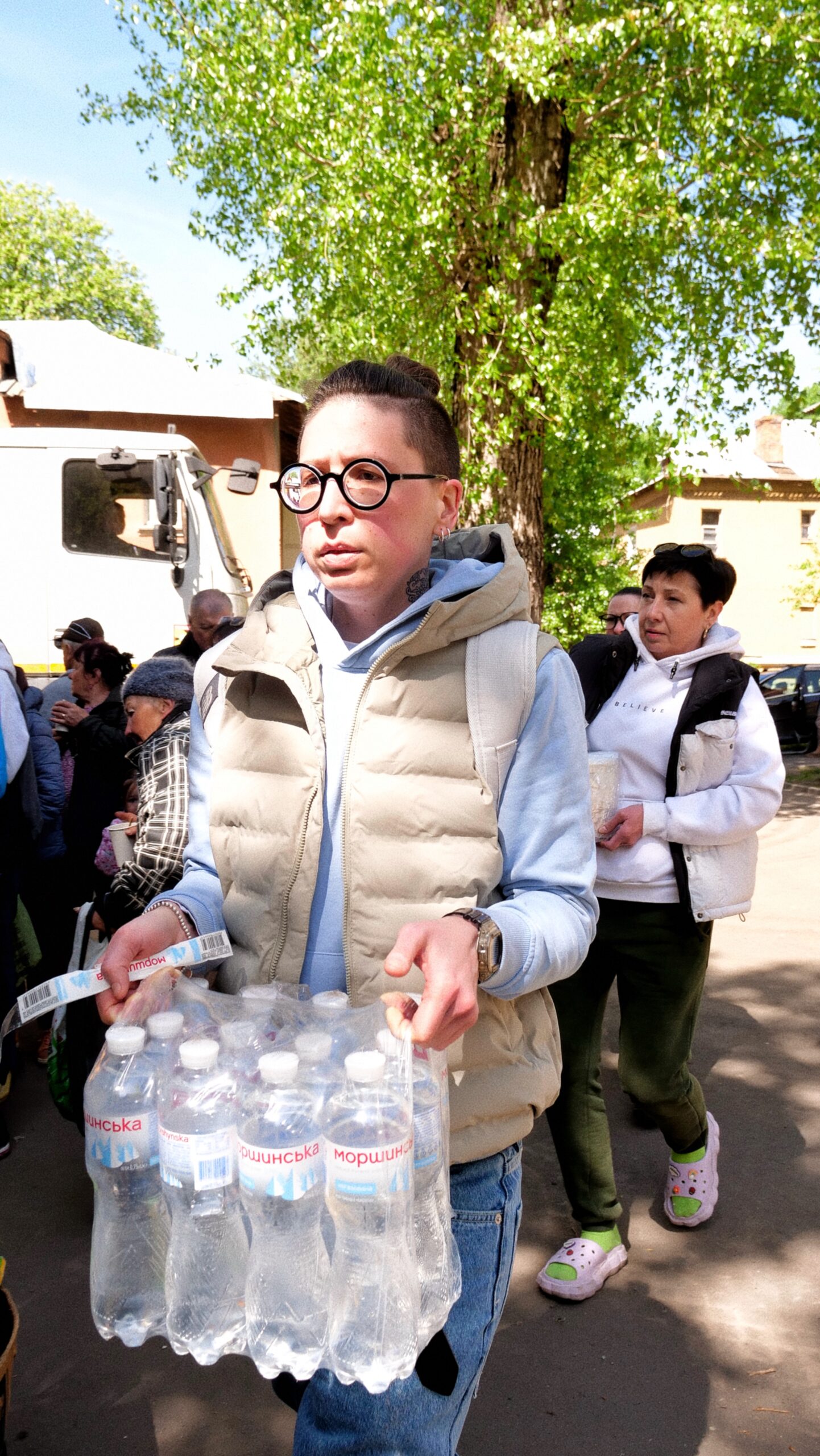
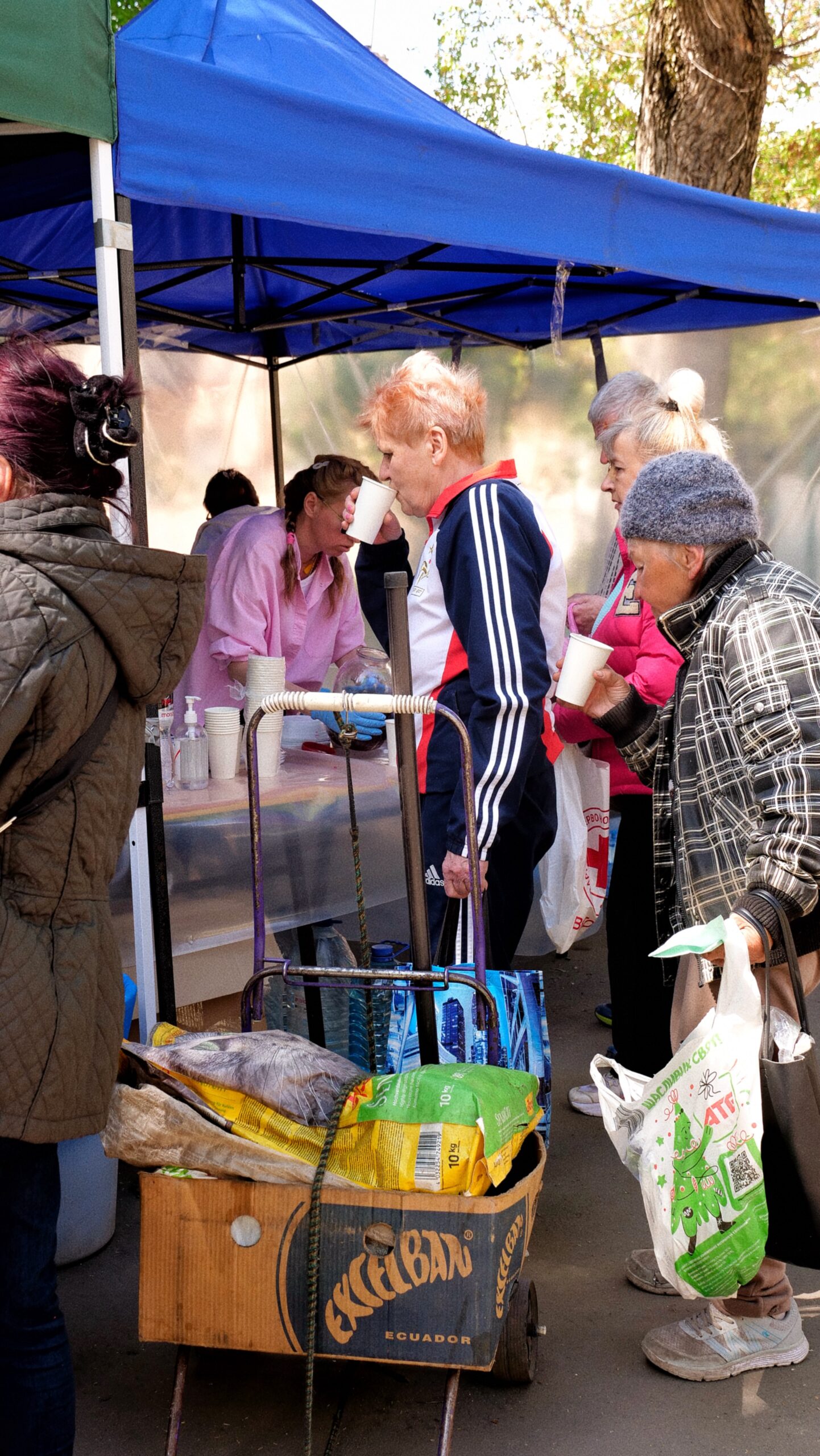
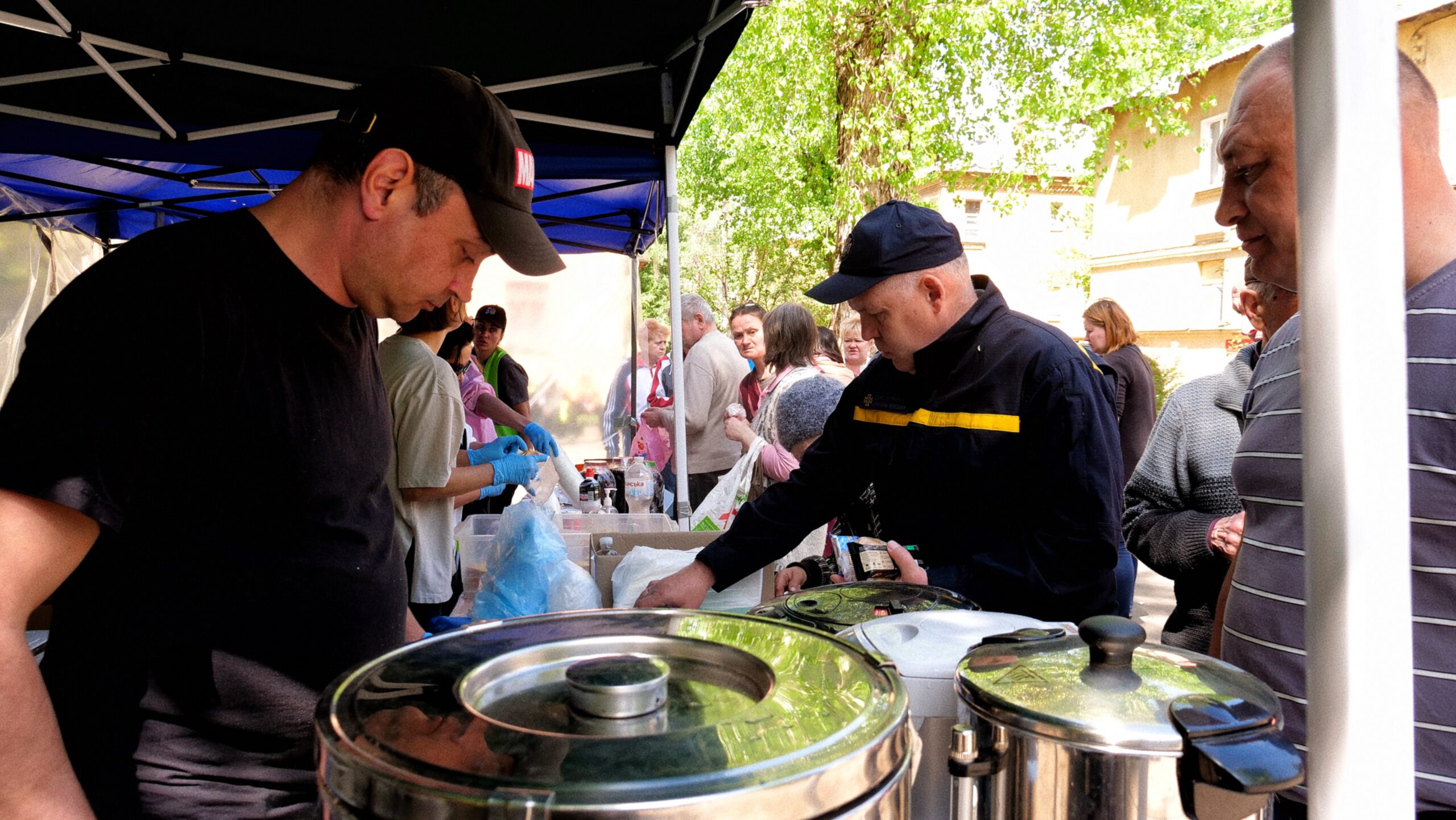
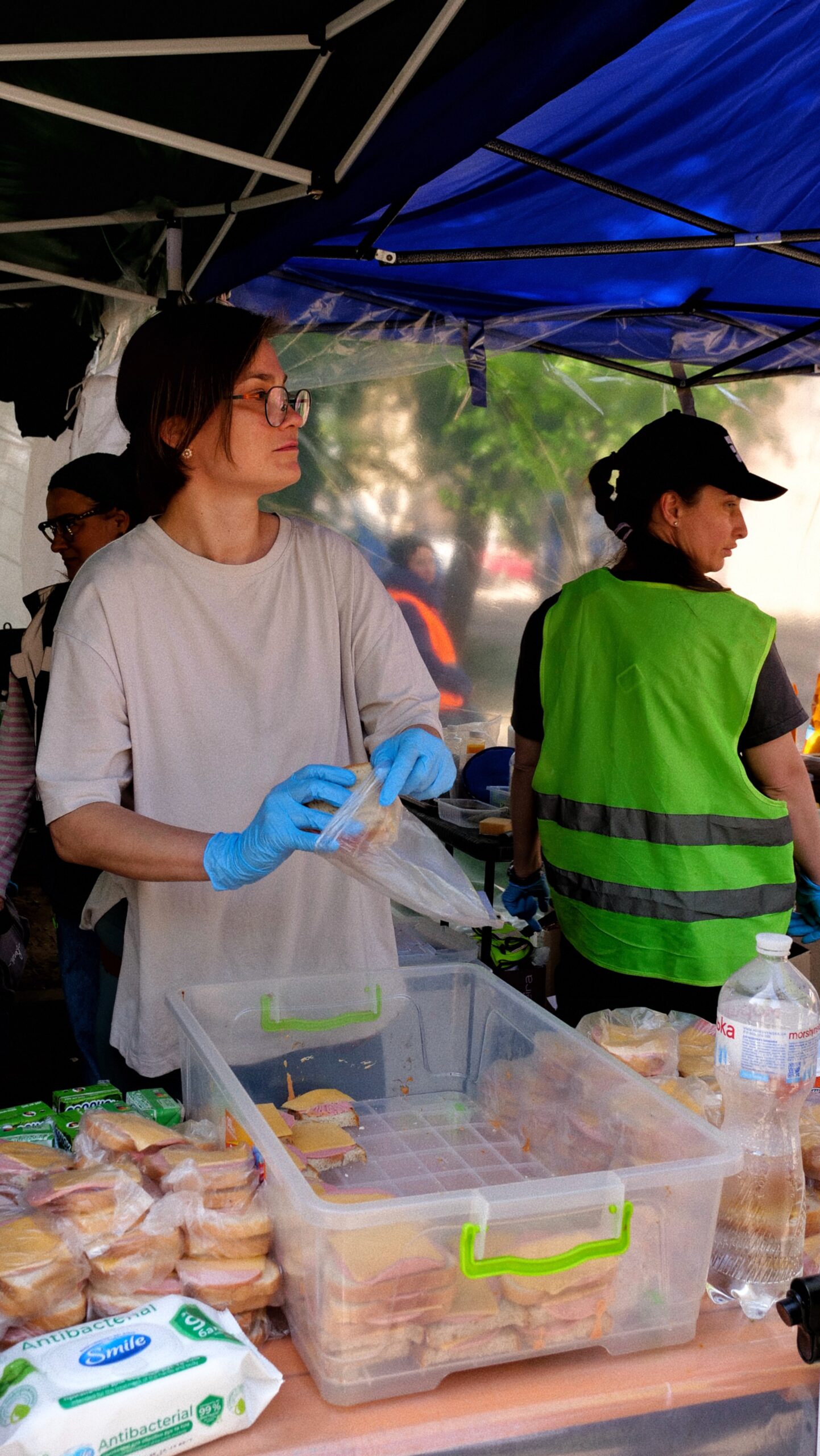
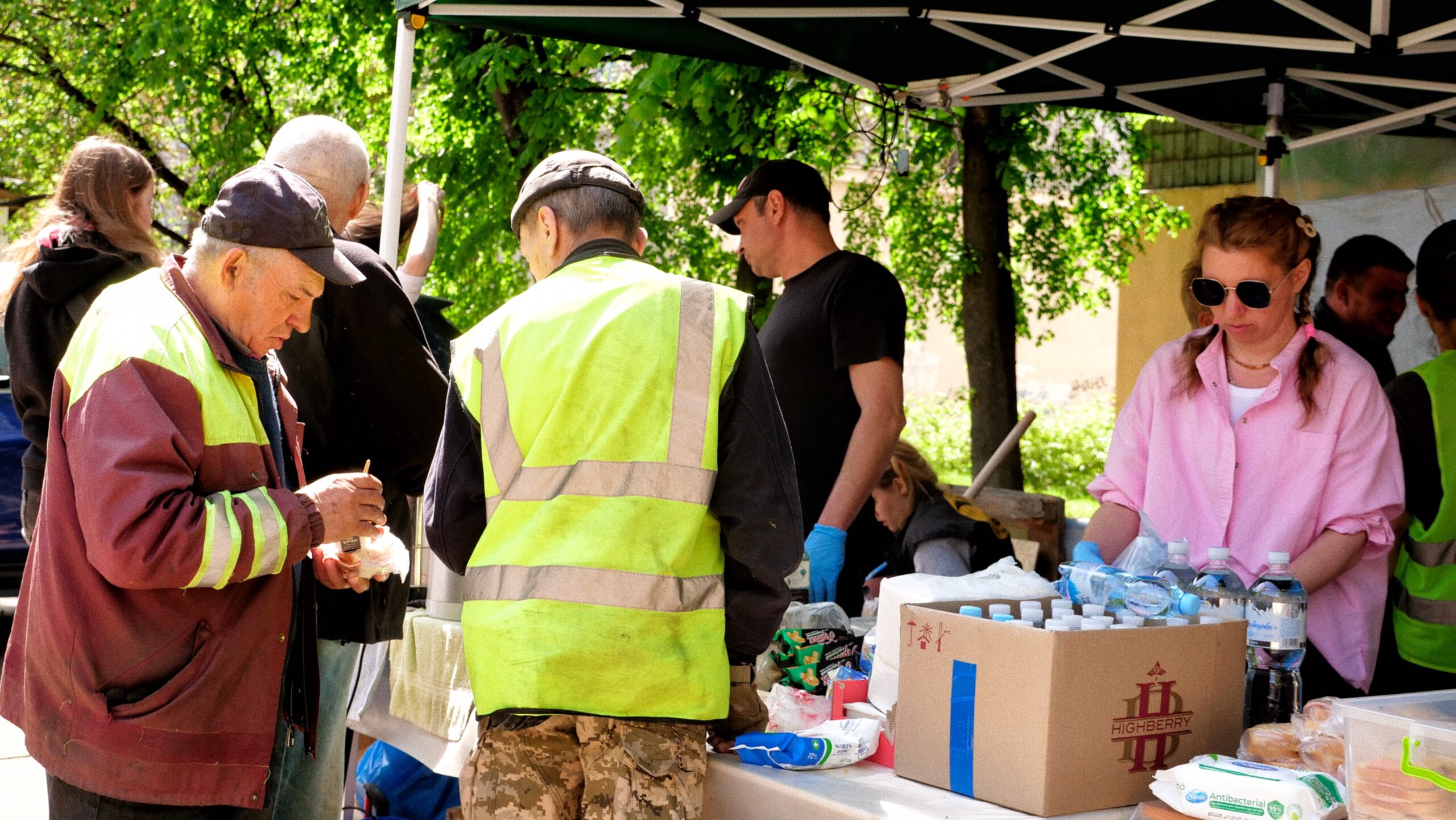
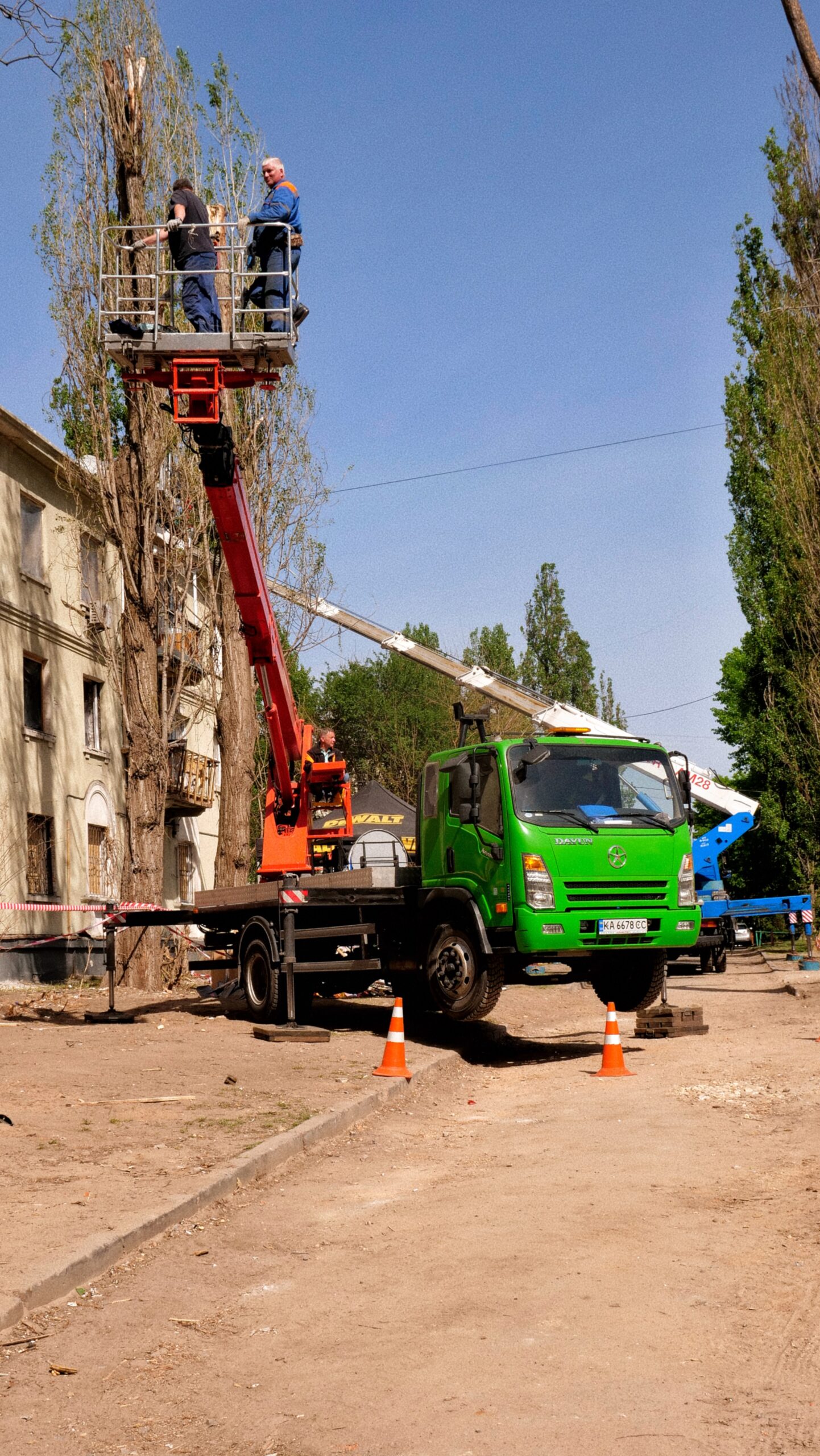
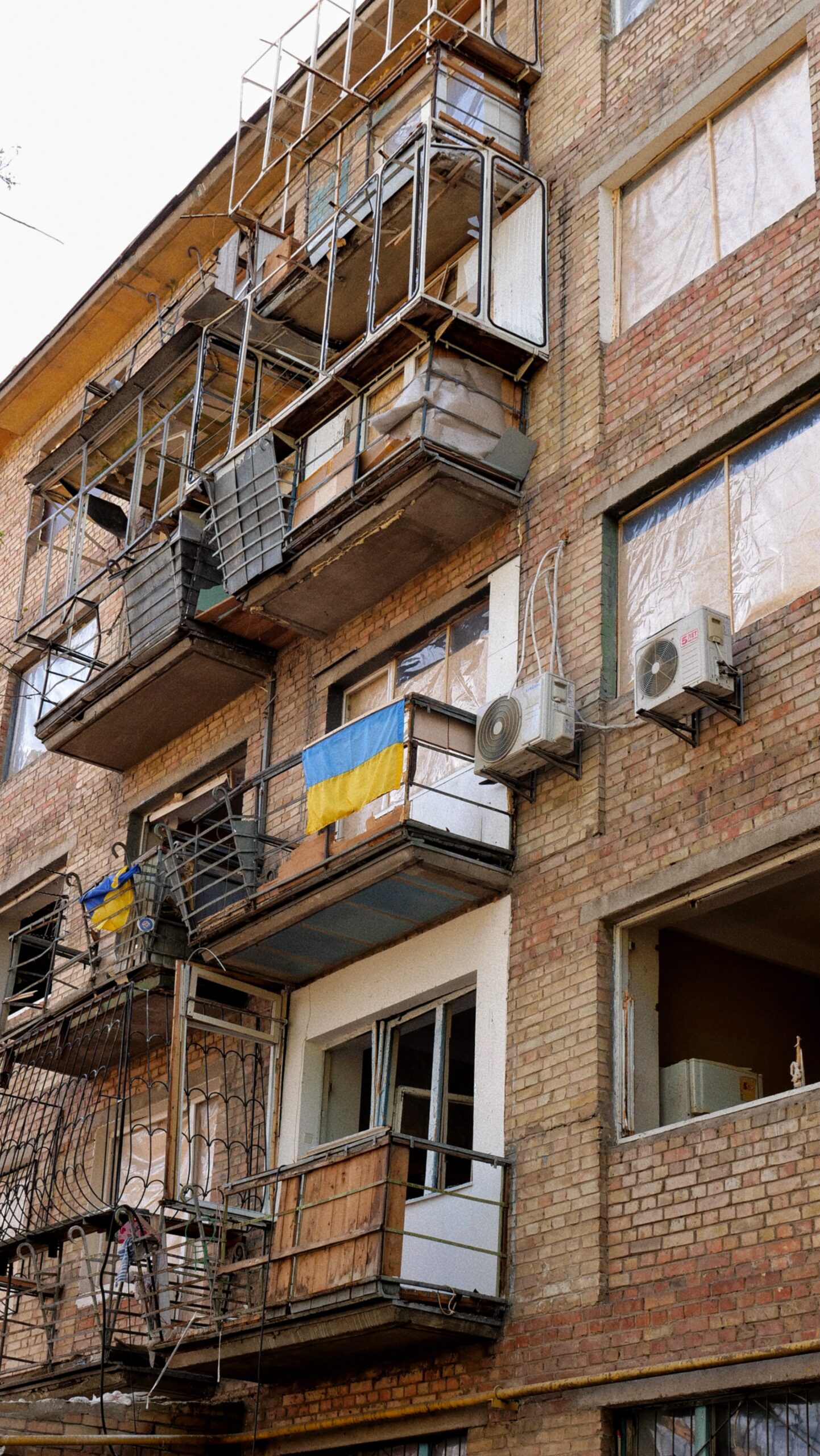
The scale of each individual incident required immense effort. Following a single strike, the team registered up to 395 requests from affected families. Response actions began within the first hours: volunteers coordinated logistics, worked with the State Emergency Service and municipal utilities, carried out urgent repairs (boarding up broken windows with film and OSB panels, fixing damaged roofs), and provided essential support to people with basic necessities.
Operational reality
A single incident required between 1 and 7 days of continuous field work by the emergency headquarters. In total, in 2025 the team spent more than 60 days in the field, operating under high stress and physical exhaustion.
The main challenge for emergency response remains the legal status of the capital. Despite severe destruction, Kyiv is still not classified by international institutions as an active conflict zone. This significantly limits or completely blocks access to large-scale international Emergency Response funding from donors.
An important precedent: thanks to signed memorandums of cooperation with the Kyiv City Military Administration (KCMA) and the State Emergency Service, in some cases volunteers received material support from the city. However, the primary financial and resource burden was covered through private donations.
In 2025, approximately UAH 1.66 million in donations was raised from concerned citizens, which became the foundation for rapid response operations in the city. In this context, the work of the District #1 Charity Foundationand its partners effectively functions as a reliable informal urban response system, driven by speed, flexibility, and exceptional civic support.